
Trees and Wildlife
As we walk through the woods, it’s easy to admire trees for their beauty. But the true wonder lies in the complex, interconnected world they support — from root to canopy and beyond. Trees are more than just part of the landscape — they are living ecosystems that support countless species, including us.
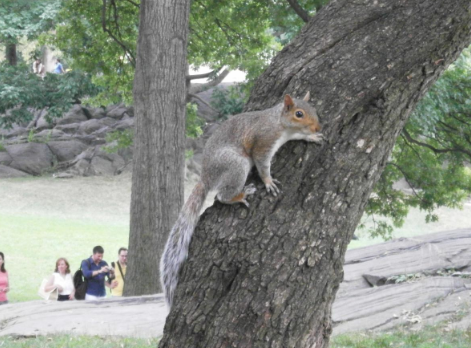
A squirrel poses on a tree trunk in the park.
Trees: Lifelines for Arboreal Animals
In the forests, parks, and back yards of Western New York, trees are essential for a wide variety of arboreal animals — those that spend a majority of their life in or among the trees. Eastern gray squirrels are a common sight, expertly navigating the canopies of native oaks, maples, and hickories. Black-capped chickadees, nuthatches, and American robins build nests among sturdy limbs, while raccoons and opossums often den in the cavities of mature or decaying trees.
As dusk falls, little brown bats emerge from tree hollows and bark crevices to feed on mosquitoes and other insects, playing a vital role in natural pest control. In rural and wooded areas, barred owls and eastern screech owls nest in tree hollows, relying on dense forest cover for camouflage and hunting.
Trees as Essential Resources
Different species use trees in different ways:
- Birds use twigs and leaves for nesting material.
- Deer feed on twigs and buds, especially in winter, and rub their antlers on bark to mark territory and shed velvet. These rubs can damage young trees, but they’re a natural part of forest life.
- Insects feed on leaves and wood, becoming food for birds and mammals.
- Humans use trees for oxygen, shade, lumber, fruit, syrup, medicine, and even inspiration.
Even fallen leaves return nutrients to the soil, nourishing the next generations.
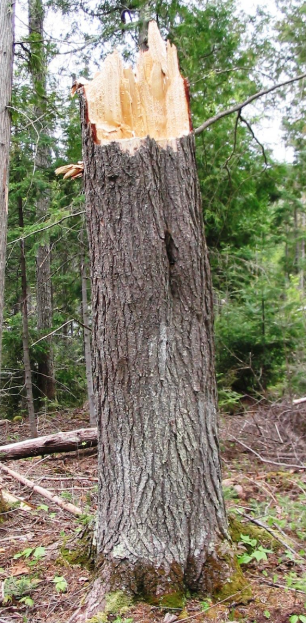
Wildlife Snags: Giving a Second Life to a Dead Tree
When a tree becomes hazardous due to decay, storm damage, or structural instability, removal may be necessary to protect people and property. But full removal isn’t always the only or best option.
Arborists can create what's known as a wildlife snag: a standing dead tree or “spar” that’s modified to remain safely in the landscape as a habitat structure. Instead of making a flat, clean cut across the top of the spar, arborists often use a jagged, natural-looking cut to mimic the irregular breakage that would occur in nature. This approach makes the snag more inviting to cavity-nesting birds and other wildlife by:
- Creating a textured top where water can pool and soft rot can accelerate, encouraging woodpecker activity.
- Mimicking storm damage and broken crown structures that feel “safe” to animals looking for shelter or territory.
- Preventing water runoff that a flat cut encourages, keeping interior decay contained and localized.
The snag’s height, bark retention, and placement are all considered to maximize wildlife benefits while minimizing risk. In some cases, large branches may also be selectively retained to serve as perches or nesting platforms for hawks or owls.
Snags can last for years, even decades, offering essential habitat to many birds, mammals, amphibians, and insects native to New York State.
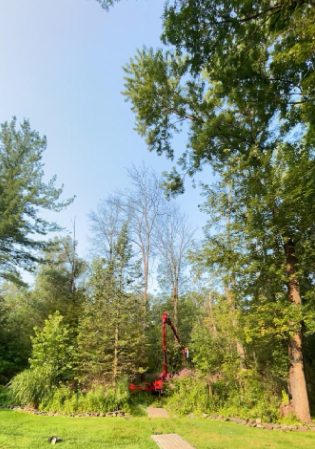
The Tree that Keeps Giving
Trees don’t stop giving once they die. With thoughtful management, they can continue to serve the landscape as habitat, nutrient sources, and legacy structures. If you’re facing tree removal, ask your arborist about leaving a wildlife snag. It’s a simple, powerful way to support your local ecosystem.
Find out more:
Schedule a consultation with a Monster Arborist
Cornell Cooperative Extension: SNAGS
Cornell Cooperative Extension: Managing Woodlands to Improve Wildlife Habitat
Ask the Arborist
- Sarah
- ISA Certified Arborist: NY 6774A
- NYSDEC Catergory 3A, 2 Certified Applicator: C8890526
Q: If I have to remove a tree in my yard, how do I know if it’s a good candidate to leave as a wildlife snag?
A: Not every tree is safe to leave standing after it dies, but when factors are right, a snag can become a valuable habitat for wildlife. As certified arborists, we will assess several factors before making a recommendation:
- Stability: The trunk and root system must be solid enough to remain upright without posing a fall risk.
- Location: Snags should be positioned away from homes, driveways, and play areas to ensure safety.
- Decay level: Some internal decay is natural and even beneficial for wildlife, but excessive rot may make the snag unstable and a risk.
- Height and structure: Arborists can reduce a tree’s height or remove large limbs to make a snag safer while still ecologically useful.
When thoughtfully managed, a wildlife snag supports biodiversity and adds natural interest to your landscape.
Q: Is deer rubbing really harmful to my trees, and what can I do to prevent it?
A: Yes — deer rubbing can cause significant damage, especially to young or newly planted trees. During the fall breeding season, male deer rub their antlers on trunks to mark territory and remove velvet. This can strip bark and cambium, interrupting the tree’s ability to move water and nutrients. Repeated rubbing can eventually kill the tree. Some ways you can prevent deer rubbing are by installing trunk guards or wire mesh around the base from late summer through winter, use a deer repellent foliar, or use a deer bark treatment.
Q: How can I make a wildlife snag look intentional and not like an eyesore in my yard?
A: With a few creative touches, a wildlife snag can become a beautiful, purposeful feature. Arborists can shape the top with a natural or flat cut to give it the look you want. The homeowner can design the area with native shrubs, perennials, or a mulch bed around the base or add decorative elements such as rocks, garden art, nesting boxes, or bird-friendly baths. You can also install a small sign or plaque explaining that the snag provides habitat for woodpeckers, cavity-nesting birds, and pollinators — turning it into an educational talking point.
Tree Highlight
White Ash(Fraxinus americana)

- Also called: Baltimore ash, cane ash
- Lifespan: Typically, around 200 years (before EAB)
- ID features:
- Height: 60-90 feet when mature
- Spread: 50-80 feet given the space to grow
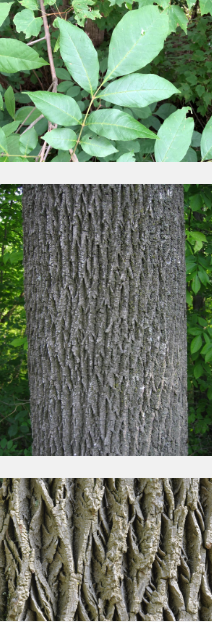
- Leaves: Compound (odd-pinnate, generally 7 leaflet) and appear opposite of one another. Leaves will be a dark green when mature. They turn yellow with purple shading during fall.
- Bark: A light gray with deep furrows that separate short, pointed ridges in a net-like pattern.
- Flower: Small clusters of purple/lavender flowers. Bloom in April-May before the foliage.
- Fruit/Seed: Green to copper-brown colored one-winged samaras in clusters.
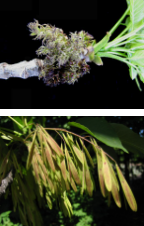
Fun facts:
- The juice from white ash leaves can be rubbed on a mosquito bite to provide relief and reduce swelling.
- White ash is one of North America’s most valuable native hardwoods, prized for its strong yet flexible wood. It’s the traditional choice for baseball bats, tool handles, and furniture.
- Emerald Ash Borer was first detected in Michigan in the United States in 2002.
EAB
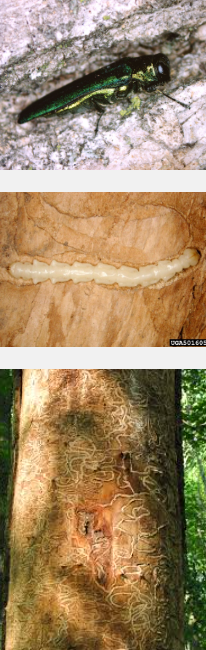
Is there hope?
Most native ash species, including white, green, and black ash, are highly susceptible to emerald ash borer. However, some Asian species, such as Manchurian ash (Fraxinus mandshurica) and Chinese ash (F. chinensis), show natural resistance, as EAB coevolved with them.
In North America, select individual trees of white and green ash have survived infestations — researchers call them lingering ash. These survivors are being studied and bred in hopes of developing EAB-resistant native ash varieties for future restoration.
Monster in the Neighborhood
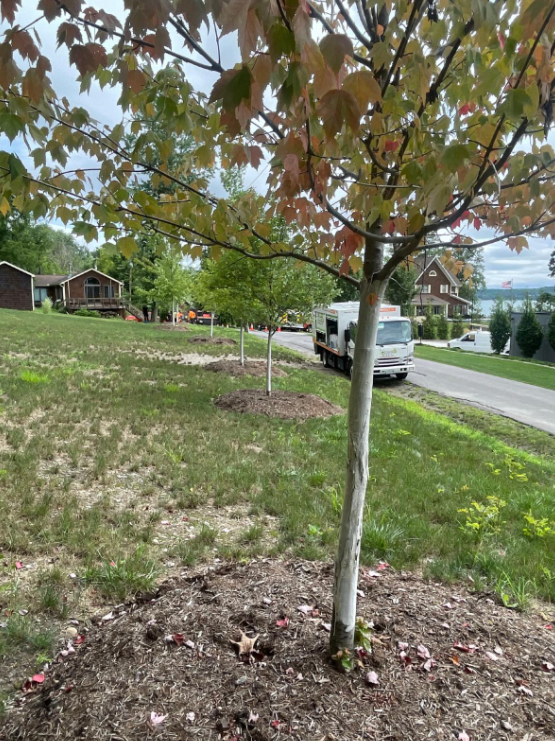
We applied our solution to several maples. It includes a sticking agent to help it last, but the color will gradually fade over winter as buck rub becomes less of a concern.
We were recently working on a property along beautiful Canandaigua Lake, surrounded by wooded areas — and that means deer are part of the landscape. These young maples had suffered bark damage from buck rubs the previous year. Our team was contracted to apply a repellent on the bark, helping reduce the risk of further damage while allowing the trees’ wounds to compartmentalize. In addition to bark protection, we also provide foliar applications to protect evergreen needles, deciduous tree buds, shrubs, and perennials. For year-round defense, our summer deer repellents help deter early grazing and keep your landscape healthy and thriving.
Monster Fun
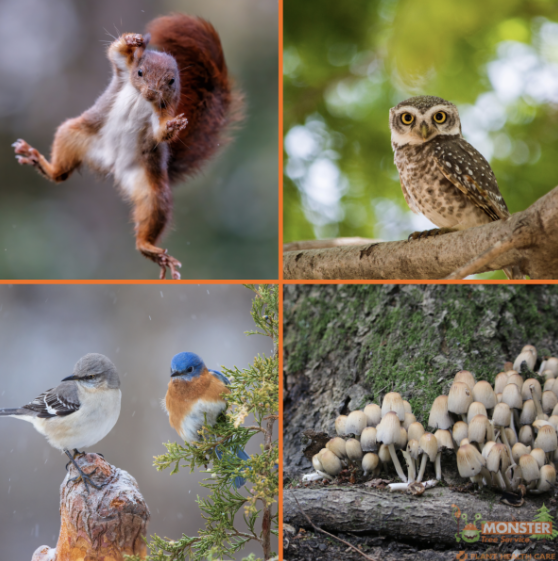
Which tree neighbor would you most want in your backyard?
A. A squirrel acrobat putting on daily showsB. A wise old owl watching over things
C. A chorus of songbirds each morning
D. A mysterious mushroom patch at the base