
A thriving yard is more than just a patch of green; it’s an ecosystem where lawns, trees, and soil work together. Healthy trees provide shade, reduce soil erosion, and improve air quality. In turn, a well-maintained lawn protects the roots, keeps weeds in check, and enhances the overall beauty of your property. At Monster Tree Service of Rochester, we help you care for every part of your outdoor space.
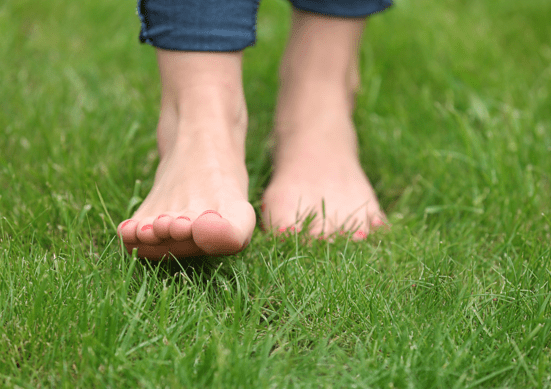
The Grass Beneath Your Feet
Western New York lawns are typically made up of cool-season grasses, including:
- Kentucky Bluegrass: Known for its lush, dark green color and fine texture. Slow to establish, but highly durable.
- Perennial Ryegrass: Quick to germinate (within 5-10 days), provides instant green, and is great for filling bare spots. It can provide a smooth and dense turf.
- Fine Fescue & Tall Fescue: Hardy grasses that tolerate shade well, making them perfect companions under your trees.
Tall fescue is increasingly popular for its deep roots, heat tolerance, and ability to recover from drought, making it a resilient choice for active yards. Developers often mix these grasses to balance quick establishment, long-term durability, shade tolerance, and visual appeal, giving homeowners a lawn that looks great while supporting the surrounding trees and landscape.
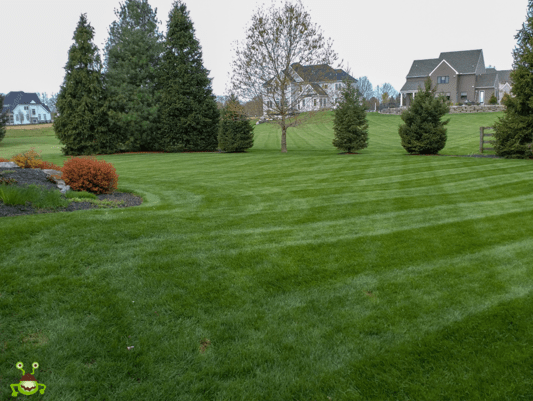
Battling Weeds and Crabgrass
Even the healthiest lawn can be challenged by weeds — any plant growing where you don’t want it. Common culprits include dandelions, chickweed, and especially crabgrass, a summer annual grass that spreads quickly in thin or stressed turf. Unlike desirable cool-season grasses, crabgrass germinates when soil temperatures warm in late spring and grows aggressively throughout the summer, forming wide, low-growing clumps that crowd out healthy turf. It thrives in compacted soil, bare spots, and areas with inconsistent watering, outcompeting cool-season grasses for sunlight, water, and nutrients. Because crabgrass produces thousands of seeds before dying off in the fall, unmanaged infestations can return year after year unless addressed proactively.
So, what can you do? Spot treatments address problem areas without overusing chemicals, while slow-release fertilization strengthens the grass, helping it outcompete weeds naturally. Healthy soil rich in organic matter and carbon supports deep roots, retains moisture, and boosts nutrient uptake—benefiting both your lawn and surrounding trees. With consistent care, even drought-prone grasses like Kentucky bluegrass and perennial ryegrass recover faster, and your yard gradually transforms into a thick, green carpet that resists weeds and stresses.
We use a combination of professional techniques to keep your lawn green and strong:
- Spot Treatments: Targeted care for weeds without overusing chemicals.
- Fertilization: Slow-release fertilizers feed your lawn gradually, encouraging deep roots and long-lasting health.
- Carbon-Rich Care: Organic matter in soil improves water retention, supports soil microbes, and enhances nutrient uptake for both grass and trees.
Patience Pays Off
Transforming a lawn takes time, and there’s no instant shortcut to a lush, healthy yard. Even with the best care, it may take several months — or sometimes an entire growing season or two — for your lawn to reach that deep, rich green look. Grass needs time to establish strong roots, thicken, and develop the resilience to withstand heat, drought, foot traffic, and weed pressure. Consistent fertilization, especially with slow-release formulas, provides steady nutrition that encourages deep root growth, while regular watering ensures your grass can thrive through dry spells. Weed management keeps invasive plants like crabgrass from stealing nutrients and sunlight, allowing your lawn to grow strong and uniform. Healthy soil — rich in organic matter and carbon — creates the foundation for long-term success, supporting both turf and the surrounding trees. With patience and proper care, your lawn not only looks great but becomes a durable, thriving landscape feature that enhances the health of your entire property.
Every lawn is unique, and when trees are part of the landscape, maintenance requires extra consideration. Shade, leaf litter, and root competition all affect turf health. Our team tailors treatments to each lawn’s specific needs, ensuring your trees and grass thrive together.
Ready to get your lawn looking its best this season? Contact Monster today for a consultation, and let’s grow your dream yard — together.
Find out more:
Schedule a consultation with a Monster Arborist
Cornell Cooperative Extension: Native Ornimental GrassesExtension: Planting and Maintaining Trees and Shrubs
Tree Highlight
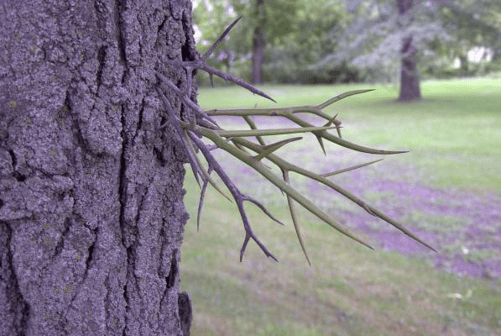
Honey locust
(Gleditsia triacanthos)
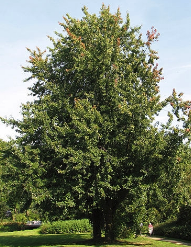

Also called: Thorny Locust, Honey Shucks Locust, Sweet Locust
Lifespan: 60 to 80 years in urban settings; can live over 120 years in suburban and ideal conditions
ID features:
Height: Typically 40-80 feet but can grow to top 100 feet
Spread: 30-70 feet wide
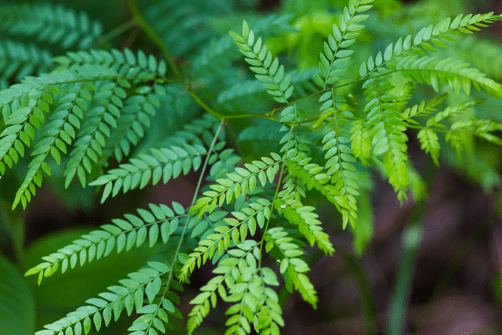
Leaves: Deciduous. Alternate leaves that can be pinnately compound or bipinnately compound with many small, oval leaflets.
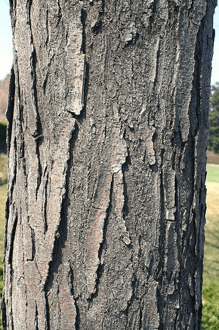
Bark: Reddish-brown when young and matures to a gray-brown. They develop long, jagged plates with age. The bark and stem are armored with long, sharp thorns.
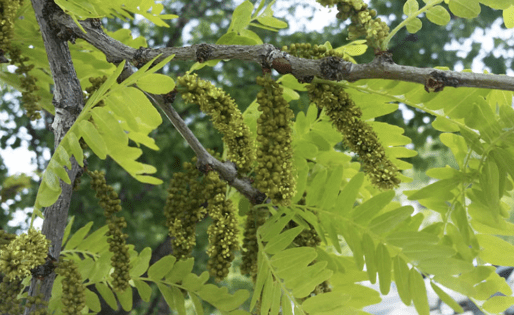
Flower: Blooming in late spring, they are small green clusters that are not showy.
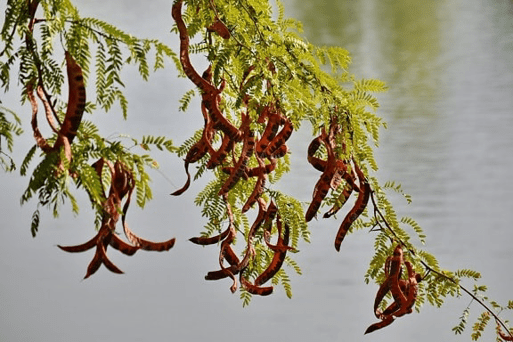
Fruit/Seed: The fruit are dark, reddish-brown pods (legumes). They can grow to be over 8 inches long. At maturity, the pods may be curled or twisted
Fun facts:
- Locust trees belong to the Fabaceae (formerly Leguminosae) family. This family umbrella includes peanuts, peas, and beans!
- Honey locust wood is dense, durable, and does not break down quickly in soil. It has been used in fence posts, furniture, shipping pallets, and tool handles.
- It is native to Western New York.
Need to know:
- While not poisonous, the thorns can lead to painful punctures that can be an entry point for infections. You should clean any wounds with soap and water.
Ask the Arborist
ISA Certified Arborist: NY 6774A
NYSDEC Category 3A, 2 Certified Applicator: C8890526
Q: When does crabgrass actually start growing?
A: Crabgrass begins germinating in late spring when soil temperatures consistently reach about 55–60°F for several days in a row. In Western New York, that usually falls somewhere between late April and early June, depending on the season. A good natural indicator? When forsythia shrubs finish blooming, crabgrass seeds are often ready to sprout. From there, it grows aggressively through the summer heat.
Q: How does crabgrass spread so quickly?
A: Crabgrass is an annual grass, but it’s incredibly effective at reproducing. Each plant can produce thousands of seeds before it dies off in the fall. Those seeds sit dormant in the soil over winter and germinate the following spring. It also thrives in thin, compacted, or bare areas of your lawn—anywhere your desirable grasses aren’t strong enough to compete.
Q: What’s the best way to prevent crabgrass from taking over?
A: The best defense is a thick, healthy lawn. Crabgrass struggles to establish in dense turf where there’s little room for seeds to reach the soil. Proper mowing height (keeping grass a bit taller), consistent watering, and slow-release fertilization all help your lawn outcompete it naturally. For problem areas, early-season pre-emergent treatments can stop crabgrass before it even starts, while spot treatments can manage any breakthrough later in the season.