
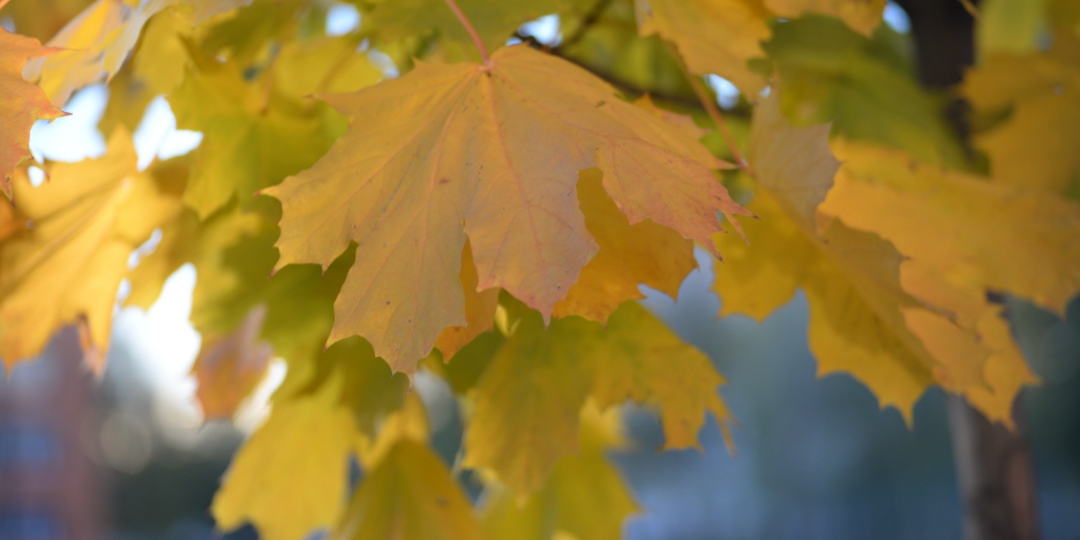
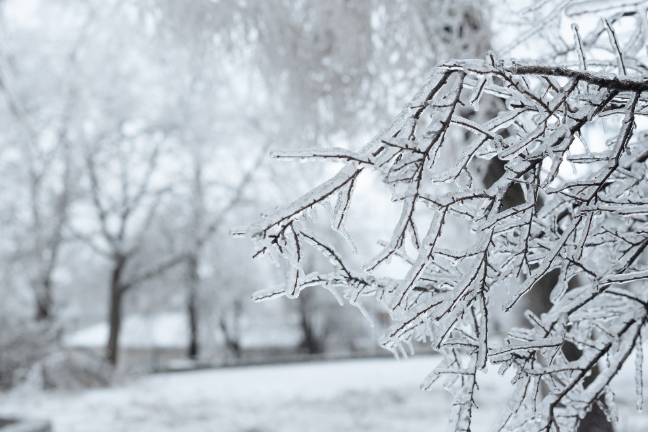
Fall has officially arrived, and now is the ideal time to prepare your trees for the fast-approaching cold weather months ahead. Winter storms can bring high winds, snow and ice, which all too frequently can damage trees and put your property at risk. And although many trees are entering dormancy, they can still be vulnerable to freezing temperatures and other health risks in the fall and winter seasons. In this article, we will outline and explain some of the most important fall maintenance practices that you can take to protect your trees, safeguard your property, and support healthier growth when spring returns.

Soil Health Care
In forest environments, fallen leaves decompose naturally and return essential nutrients to the soil. On residential and commercial properties, however, leaves are often removed before this nutrient cycle can occur. As a result, scheduling Monster’s fall Soil Health Care treatments is one of the best things you can do to replenish nutrients, support roots throughout the winter, and help trees store the resources required for healthy spring growth.
Mulching
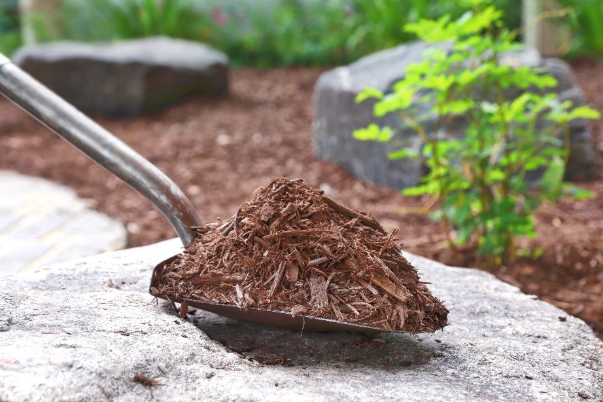
Applying a fresh layer of organic mulch in the fall can improve the appearance of your winter landscape while providing several important benefits for trees and shrubs. Fall mulching is a great way to help your trees endure the many challenges of winter:
- Insulating tree roots against freezing temperatures.
- Adding organic matter that supports healthy root growth. organic matter that supports healthy root growth.
- Retaining soil moisture when frozen ground limits water availability.
- Reducing soil compaction, allowing better air exchange and continued root development.
- Creating a cleaner, more polished appearance across the property.
When putting down mulch remember some general guidelines. 1
- Use organic materials such as arborist’s woodchips, shredded hardwood, pine bark or needles, or leaf mulch.
- Spread mulch to a 2-3-inch-thick layer around the base of the tree and other shrubs.
- For trees, extend the mulch ring to a 3-foot radius or to the drip line of the tree.
- Avoid piling mulch against the trunk - a harmful practice known as “volcano mulching.” Instead, keep mulch 2 to 3 inches away from the trunk to allow airflow and reduce the risk of bark decay.
Watering
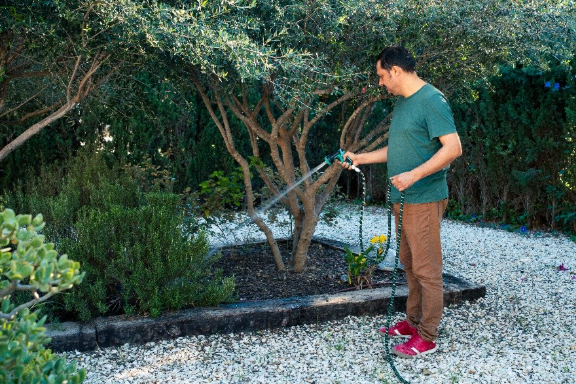
Especially with deciduous trees, watering in the fall may seem counterintuitive when they are losing their leaves – but tree roots do remain active during the winter months and continue to require moisture. 2 Evergreens also remain active in the winter and may be prone to winter burn when soils are dry – so they can particularly benefit from cool season watering as long as the soil is not freezing. 3
When fall conditions are dry, water trees before freezing temperatures arrive to help sustain them and protect their roots from winter dehydration. Apply water slowly and deeply so that moisture penetrates about 8 to 12 inches deep beneath the tree’s canopy, where most absorbing roots are located. 4 Soil should be moist but not waterlogged, especially when temperatures fall below 40 degrees. 5
Protect Bark on Young and Newly Planted Trees
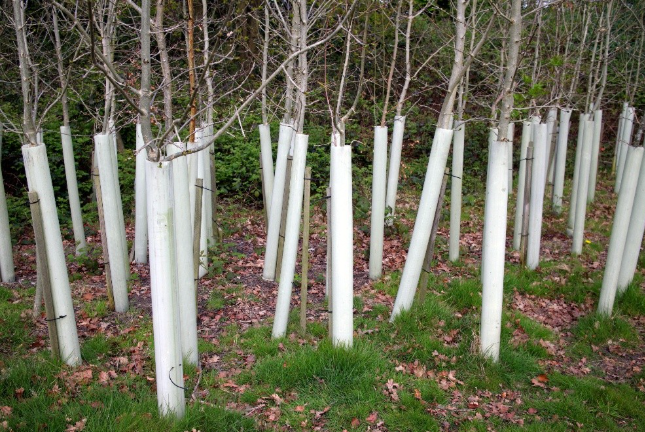
Young, newly planted, and thin-barked trees are especially vulnerable to sunscald and frost cracks during winter. Their bark may also be damaged by rodents and deer. Wrapping susceptible trunks with a breathable tree wrap or protecting them with a properly fitted PVC guard can help prevent these injuries. 6
Install the protection loosely enough that it leaves airspace and does not constrict the trunk - and for wrapping use breathable materials that allow air to circulate around the bark. 7 Remove wraps and guards in early spring to prevent moisture buildup and avoid restricting new growth. 8
Fall Professional Pruning
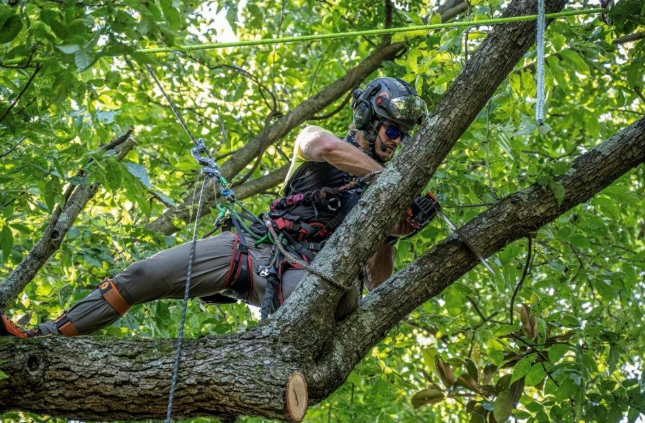
Fall and winter are ideal seasons for pruning many trees. 9 After the leaves have fallen, bare branches make structural defects, deadwood, and damaged limbs easier to identify. Pruning during the dormant season can also reduce the risk of pest and disease exposure to freshly made cuts.
With advanced, state-of-the-art Professional Pruning, Monster’s experienced tree care professionals safely remove dead, diseased, broken, or damaged branches before severe weather arrives, reducing the likelihood of branch failures during high winds, ice, and snow.
Look for Signs of Overwintering Pests
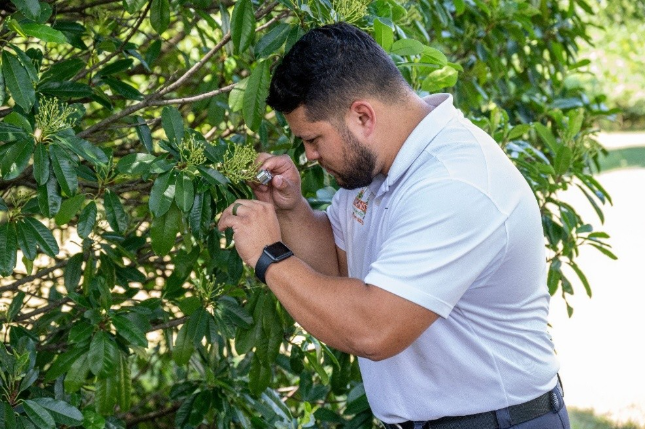
The fall season is a time when many pest insects go into their dormant phases, often leaving egg masses or other overwintering stages visible to the trained eye of a certified arborist or plant health care professional. In some cases, pests continue to be active in the winter months. 10 For these reasons, Monster’s professional property inspections and fall Tree and Shrub Health Care treatments can help reduce pest populations and prevent damaging outbreaks the following year.
Schedule a Professional Tree and Property Inspection
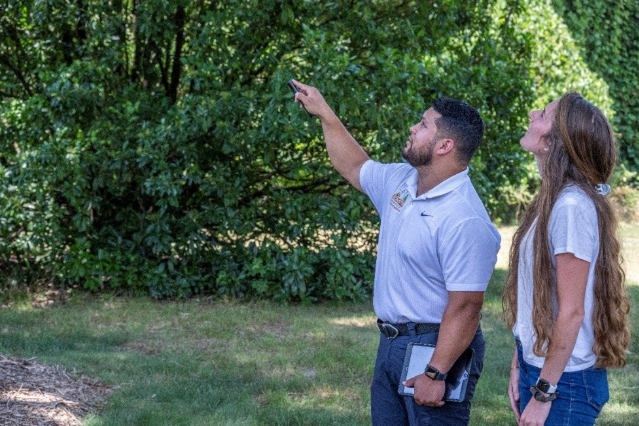
A professional fall property inspection can uncover tree hazards and health issues that are easy to miss. Monster Tree Service’s expert arborists take a comprehensive approach - assessing tree structure and evaluating risk factors, soil conditions and potential health issues – to recommend a proactive plan that protects your property, supports long-term tree health, and helps prevent costly emergencies.
Prepare Your Trees for Winter Today
Don’t wait for winter weather to harm your trees or put your home or property at risk to a hidden tree hazard. Contact your local Monster Tree Service today to schedule a professional tree and property inspection. With our Arborist Consulting Services, our expert arborists can identify potential concerns, recommend effective seasonal care, and help you prepare your trees and landscape for the winter months ahead. Call us now to protect your trees, your property, and your peace of mind.