
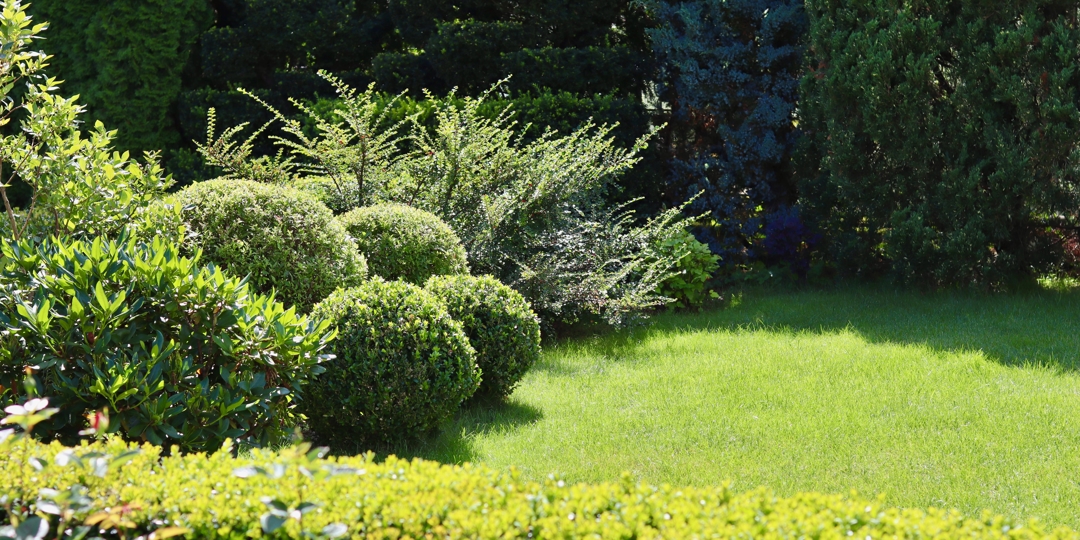
Not sure if you need professional shrub removal? Trust us, your shrubs will let you know. Shrub removal is a smart step when plants outgrow their space, decline, or create hazards.
It’s ideal to recognize early warning signs to help you act quickly, protect property value, and open room for fresh plantings.
In case you've missed the signs or just aren't aware of them, we've listed the common ones to look for in Northwest Houston, along with professional shrub pruning solutions when removal is not required.
When Shrub Removal Becomes the Best Option
There are situations where you don't want to part with a shrub, but removal is inevitable. Sometimes shrub removal is the best option, even if it's not an easy choice. Situations where removal makes sense may include repeated dieback, extensive pest damage, poor placement near foundations, or blocking driveways and paths.
With repeated dieback, large portions of the shrub die, indicating problems like plant stress or pest damage. Small shrubs near foundations of the home may appear cute but over the years their natural growth can threaten the health of the foundation,
Quick fixes are often a go-to for homeowners looking to avoid shrub removal. Some quick fixes can be effective while others simply postpone a necessary removal while temporarily masking the problem. Long term solutions like complete removal or replanting are generally more effective.
Visual and Structural Warning Signs
Shrubs that are in dire need of removal are sure to show both visual and structural warning signs. Common indicators include hollow stems, peeling bark, large dead sections, leaning growth and never fully leafing out.
Symptoms like these often point to internal decline or chronic site problems. Hollow stems can be caused by problems like nutrient imbalances or uneven growth rates. Peeling bark and large dead sections often make an appearance because of pests, disease, or storm damage. Leaning growth or shrubs that never fully leaf out could be attempting to compensate for site problems with soil or sun exposure.
A professional arborist can inspect shrubs to view these warning signs and provide details about what might be causing the issues so they can be addressed.
How Overgrown Shrubs Impact Your Property
Overgrown shrubs are both an eyesore and a hazard. Oversized shrubs can trap moisture against siding, crowd air conditioners. This can decrease curb appeal, attract pests, damage siding, and even impair air conditioner function. In a hot state like Texas, you don't want unnecessary A/C troubles.
Shrubs pose a hazard from two angles. On one side, they can become a security risk. Shrubs that block security lighting can make it difficult to see at night and conceal people in hiding.
Shrubs that are growing out of control can be a trip hazard or even hide trip hazards, increasing likelihood of injury.
When it comes to the surrounding area, overgrown shrubs can steal sunlight and resources from other plants. Cramped beds from overgrown shrubs limit nearby tree health and new plant choices
Professional Shrub Removal Process
Some shrub removal companies promise to remove your shrub, but leave a terrible mess behind. Professionals use a standardized and streamlined process to ensure complete removal and a mess free work site.
First, the crew will assess aspects like access, utilities, and nearby tree roots before cutting. With appropriate cutting complete, root extraction begins. Shrubs with extensive root systems may require root ball extraction or grinding. Before the project is complete, we’ll haul away the debris so the space looks neat and tidy, without inviting pests drawn to excess debris.
We treat your yard like our yard. As such, we take pride in careful work around turf, hardscapes, and outdoor features. Shrub removal should be gentle to the surrounding yard elements while being effective.
Planning for Replacement Plantings
Planting a replacement can be simple, but some people over simplify the process. They simply remove the old plant and put a new one in its place. This is an option, but doesn't adequately set up your replacement for success.
Thoroughly consider creating a successful start for your plants before new shrubs go in. Get your soil evaluated, especially if pests or disease were involved. Consider the sun exposure and choose a plant that best fits the sun exposure in that area. Make note of moisture patterns, especially if rot or fungi was a factor.
Whenever possible, choose regionally suited species for replacement plantings. Regionally suited species will likely fare better with the weather and soil conditions. They should match mature size to the space and complement existing trees and lawn.
Book a Shrub Removal Consultation with Monster Tree
If your shrub is showing signs of having seen better days in Northwest Houston with little hope of bouncing back, shrub removal may be your best option. Get the clarity you need and book a shrub removal consultation with Monster Tree.
Our team provides honest, clear pricing, and a crew that handles shrub removal and follow-up planting plans from start to finish. We care for your property as if it were our own. Book today and experience the difference.