
Tree trimming and pruning costs on the Texas Gulf Coast depend on more than tree height. Canopy density, site access, species, and the required precision all shape the final price. A tree near your roofline often demands a slower, more controlled approach than a small yard tree. We break down labor, equipment, and cleanup so you understand how quotes are built. Monster Tree Service of Texas Gulf Coast approaches every job with structure, safety, and long‑term tree health in mind.
Typical Tree Trimming & Pruning Cost Ranges in the Texas Gulf Coast
Tree trimming costs vary based on scope. Light pruning on a smaller tree costs far less than full canopy thinning or structural pruning on a large specimen. Trees positioned over homes, driveways, or fences require slower, more controlled work that adds to the total.
Gulf Coast conditions push workloads higher than many homeowners expect. The subtropical climate drives fast growth cycles and dense foliage builds up quickly. In Pearland’s Shadow Creek Ranch, fast‑growing species build heavy canopies. Thinning is often needed before storm season to manage weight and shape.
A standard quote typically covers the trimming work itself. Ask upfront if debris cleanup, hauling, and chip removal are included. Scope and site conditions determine where your job lands in the pricing range.
Labor Costs: Climbing, Precision Cuts & Crew Coordination
Labor drives most of the cost on trimming and pruning jobs. Trimming is not just cutting branches. It requires selective decisions at every step to support tree structure and future growth.
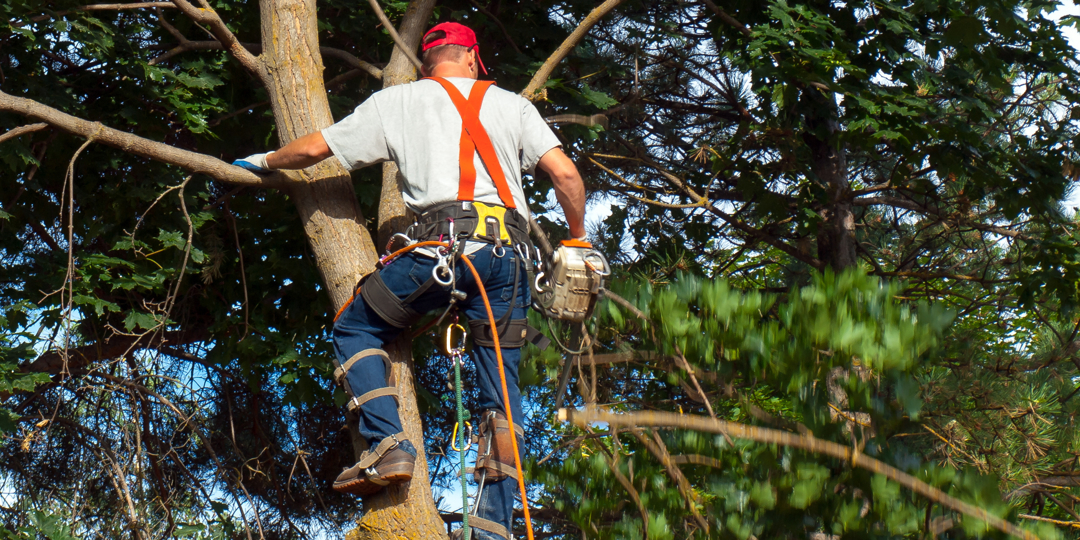
Climbers move through the crown, identify which limbs to remove, and coordinate with ground crews to lower branches safely. Near homes, fences, or shared property lines, the work slows down. Every cut needs to be placed with more care. Ground crews manage the flow of material as it comes down.
Labor pricing reflects skill, time, and attention to detail. A well‑executed pruning job takes longer than a rough cut. Paying for that precision protects both the tree and the property around it.
Equipment Costs: Climbing Gear, Lifts & Cutting Tools
Not every tree trimming job needs heavy equipment. Many trees can be accessed through climbing alone with standard gear and hand tools. Others require more.
Tall trees or those with wide canopy spread may need aerial lifts to reach upper sections safely. Rigging systems allow our crew at Monster Tree Service of Texas Gulf Coast to lower large limbs in a controlled way when space is tight. Pole saws extend reach on sections that do not require a full climb. In Friendswood’s Forest of Friendswood, decades‑old specimens sit close together on private lots. Rigging and careful equipment placement protect surrounding trees and structures during crown work.
Equipment selection follows access and safety requirements. The goal is always to complete the job without causing damage to the property below.
Tree Size, Species & Canopy Density: How They Affect Cost
Tree size is part of the picture, but canopy density matters just as much. A tall tree with an open crown takes less time than a shorter tree with thick, tangled growth throughout.
Fast‑growing Gulf Coast species build heavy canopies between service visits. Water oaks and live oaks across Baytown and League City develop dense crowns over time. Significant thinning reduces wind load and keeps tree health in check. Tree diseases add complexity too. A crown showing signs of decline or deadwood needs more selective cutting than a healthy specimen of the same size.
Cleanup, Hauling & Debris Management Costs
Tree trimming creates a large volume of debris. A single large canopy can produce more material than most homeowners expect. Processing that debris takes real time and equipment.
Crews cut, chip, load, and haul material off‑site. The volume of branches and brush affects how long the cleanup takes. Chipper access to the property matters too. A wide‑open front yard speeds up the process. A tight side yard or gated backyard slows it down.
Some quotes include full cleanup and haul‑off. Others price those services separately, depending on the amount of material removed. Ask before the job starts so cleanup costs are clear from the beginning.
Ongoing Maintenance vs. One-Time Trimming Costs
Trees trimmed on a consistent schedule are easier and less expensive to manage over time. Canopy growth stays controlled. Cuts are lighter. Crew time per visit stays lower.
Trees that have gone several seasons without care are a different situation. Deferred trimming means heavier cuts, more debris, and longer crew time on site. In League City, the city tree ordinance requires homeowners to maintain clearance on overhanging trees each year. Skipping a season means more work the next time a crew comes out.
A regular trimming schedule is not just better for the tree. It is usually better for the budget over the long run.
Get a Tree Trimming Quote from Monster Tree Service
Clear pricing starts with understanding the tree, the site, and the scope of work. We walk the property with you and explain the trimming options. Labor, equipment, and cleanup costs are all broken down before any work begins. Contact Monster Tree Service of Texas Gulf Coast to schedule an evaluation. Get a quote built around your specific trees.
Tree Trimming & Pruning Cost FAQs
What is the average cost of tree trimming in the Texas Gulf Coast?
Trimming costs vary based on tree size, canopy density, access, and scope. An on-site assessment gives you an accurate number for your property.
What is the difference between tree trimming and tree pruning?
Trimming shapes the canopy and maintains clearance. Pruning removes dead, diseased, or structurally weak limbs, and a Professional Arborist can assess which approach your trees need.
What time of year is best for tree trimming on the Texas Gulf Coast?
Late winter and early spring are good windows for most species. Pre-hurricane season trimming before June 1 is a priority for coastal homeowners in Seabrook, Kemah, and Baytown.
Does regular tree trimming cost less than deferred pruning?
In most cases, yes. Trees on a consistent schedule need lighter cuts and produce less debris than trees neglected for multiple seasons.