
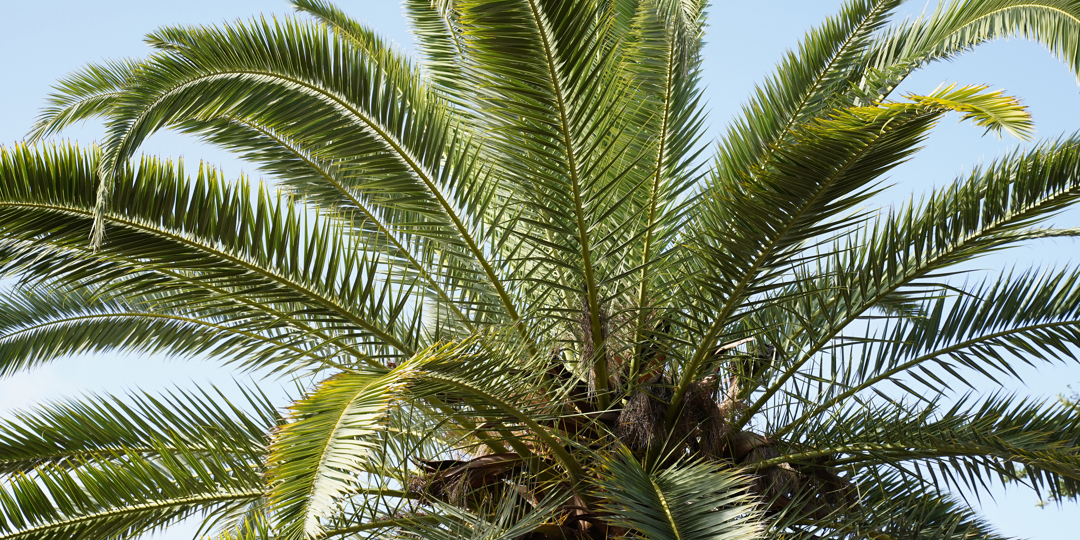
Palm tree removal pricing on the Texas Gulf Coast depends on more than tree height. Access, equipment, labor, and disposal all shape the final number. A short decorative palm in an open yard costs far less than a 40-foot Mexican fan palm next to a Clear Lake home. We break down the cost drivers so you can plan a realistic budget. Monster Tree Service of Texas Gulf Coast approaches every palm removal with planning, the right equipment, and clean disposal.
Typical Palm Tree Removal Cost Ranges in the Texas Gulf Coast
Palm tree removal cost varies significantly across the Texas Gulf Coast. Smaller decorative palms with open access land at the lower end of the range. Mature 30-foot to 50-foot Mexican fan, Canary Island date, or Sabal palms push prices much higher. Height drives the equipment selection, and equipment selection drives most of the cost.
Dead palms can cost more than healthy ones. The fiber in a degraded stem segments less predictably under the saw, which slows the work and raises risk. Disposal volume runs higher than most homeowners expect. Palm fronds and stem segments take more truckloads than equivalent-mass hardwood debris.
A standard quote covers the removal itself. It may or may not include stump grinding, full debris haul-off, and site cleanup. Always ask what the quote covers before comparing numbers between providers.
How Palm Removal Differs from Hardwood Removal
Palms are mechanically different from hardwood trees. Botanically, they are monocots, closer to grass than to oak. There is no spreading branch system, no cambium ring, and no extensive lateral root structure. The trunk is fibrous, not woody.
That changes how the work happens. Hardwood removals often use climbing spurs and rigging from the canopy down. Palms are typically not climbed that way. The fibrous stem holds spurs poorly, and there are no major branches to use as anchor points. Aerial lifts and cranes do most of the height work on palms in the Gulf Coast.
Palm stumps grind differently too. Hardwood stumps respond predictably to a stump grinder. Palm stumps are fibrous, dense, and slower to grind. Some homeowners opt for a flush cut and bury or cap rather than full grind.
Disposal volume is the third major difference. Fronds chip more slowly than hardwood limbs. Stem segments are heavier per linear foot than hardwood logs of similar diameter. Common Gulf Coast palms, including Sabal palmetto (the cabbage palm and Texas state tree), Mexican fan palm, Canary Island date palm, Queen palm, and Pindo palm, each have their own disposal profile.
Equipment Costs: Lifts, Cranes & Why Palms Are Different
Equipment selection follows palm height. Shorter palms under about 15 feet are usually handled with chainsaws and ground rigging by the experienced removal crew. No lift required. The work moves quickly when access is clear.
Mid-height palms in the 15- to 35-foot range typically need an aerial lift or bucket truck. Stem cuts happen from the basket, and segments are lowered or dropped into a controlled drop zone. In Kemah and La Porte, where coastal palm decoratives line residential lots, lift access from the front yard is often the deciding factor on cost.
Tall palms above 35 feet often require crane support, especially when palms are close to homes, fences, or pool decks. Cranes lift the palm in stable sections rather than dropping. Tracked equipment may be needed when soft Gulf Coast soil restricts wheeled access. That is common after rain or in flood-plain-adjacent yards.
Crane staging is its own cost line. Setup time, ground protection mats, and traffic control for street-side cranes all add up. The right equipment for the job is rarely a luxury. It is usually the only safe way to complete the removal without damaging the property below.
Labor Costs: Crew Size & Disposal Realities for Palms
Labor pricing depends on crew composition and time on site. A typical palm removal involves a lift or crane operator, a sawyer, and a ground crew handling debris and rigging. Larger or street-adjacent jobs add traffic control. None of these roles are interchangeable, and pricing reflects skill plus coordination.
Disposal is a separate labor line, not a free add-on. Palm fronds chip slower than hardwood limbs, which extends crew time at the chipper. Stem segments must be cut, loaded, and hauled. Each step takes real labor hours. A 30-foot palm with a clear drop zone may run two to three hours of crew time. The same palm next to a Friendswood pool deck, where every section must be lowered carefully to avoid damaging tile or coping, can run a half-day or longer with rigging.
Stump removal is its own decision point. Fibrous palm stumps grind slower than hardwood, which raises the cost of full grinding. Flush-cut and bury options exist if landscaping plans allow. Knowing the goal for the space, whether replanting, sod, or hardscape, helps the tree care crew quote scope correctly the first time.
Site Conditions, Permits & Disposal Considerations
Site conditions push the price up before the first cut. Tight-lot conditions in coastal neighborhoods like Clear Lake and Kemah limit where a lift or crane can stage. Front-yard access is faster than backyard access. A narrow side yard or a gated rear yard slows everything down.
Overhead utility lines are another common factor. Palms growing near service drops require a different rigging plan and sometimes a temporary disconnect coordinated with the utility. That coordination takes time and adds cost.
Permits are usually limited. Most City-of-Houston residential palm removals on private property do not require a permit. HOA approvals may apply, and protected-tree ordinances are rare for palms but worth confirming in cities like League City. The crew confirms permit and ordinance considerations before work begins.
Disposal logistics on the Gulf Coast also shift after major storms. Local debris yards fill quickly when the region is recovering, and tipping or hauling fees can spike. Scope confirmation up front (what the quote includes for cleanup, stump treatment, and haul-off) keeps the final bill predictable. If you are weighing options after a storm event, see our Emergency Tree Removal Cost breakdown for the Texas Gulf Coast for a closer look at storm-driven pricing.
What to Ask When Comparing Palm Tree Removal Quotes
The lowest first-call number rarely captures the full job. Sharper questions up front mean fewer surprises at the end.
When comparing palm tree removal quotes, ask:
What does the quote include? Does it cover stump grinding, debris haul-off, and full site cleanup?
Does the crew carry liability insurance and workers' compensation?
Is a Certificate of Insurance available before work begins?
How will the crew protect surrounding landscaping, fence lines, and pool decks?
What equipment is being used for a palm of this height, and why?
Will pricing change if the job is more complex than the initial estimate, and how is that authorized?
Sharper questions up front lead to fewer surprises at the end.
Get a Palm Tree Removal Quote from Monster Tree Service of Texas Gulf Coast
Palm tree removal cost makes more sense when height, access, equipment, and disposal are explained from the start. Contact Monster Tree Service of Texas Gulf Coast for a free onsite evaluation and a quote that lays out equipment, labor, and disposal up front. Call (281) 784-3368. Backed by a 4.9-star Google rating, Open 24 Hours, and the No Surprise Guarantee. A Certificate of Insurance is available on written request. Learn more about our full tree removal service and how the crew at Monster Tree Service of Texas Gulf Coast handles every project.
Palm Tree Removal Cost FAQs
What affects the cost of palm tree removal in the Texas Gulf Coast?
Height, access, equipment needs, and disposal volume drive the price. Palms over 30 feet typically need aerial lift or crane support, and tight Gulf Coast lots in Clear Lake or Kemah add staging time. Disposal of fronds and stem segments is a separate labor line. A free onsite evaluation gives a scope-accurate quote.
Why does palm tree removal cost differ from hardwood tree removal?
Palms are mechanically different from hardwoods. Fibrous trunks, no branching structure, and bulkier disposal volume per linear foot change the equipment and labor profile. Climbing spurs work on hardwoods but not on palms, so lifts or cranes do height work. Ask for a palm-specific quote rather than a generic tree-removal estimate.
Do I need a permit to remove a palm tree in Houston?
Most City-of-Houston residential palm removals on private property do not require a permit. HOA approvals may apply, and cities like League City have ordinances that affect overhanging clearance. The tree care crew confirms permit and ordinance considerations before work begins. Call for clarification on your specific lot.
How long does palm tree removal take in Clear Lake or Kemah?
A smaller palm with clear access is typically a two to three hour job. Tall palms near homes, fences, or pool decks can run a half-day or longer when rigging and crane staging are needed. Tight coastal lots in Clear Lake and Kemah add staging time. An onsite evaluation gives an accurate timeline.
Does palm stump grinding cost extra in the Texas Gulf Coast?
Palm stump grinding is usually a separate line item, priced per stump or per acre. Palm stumps are fibrous and grind more slowly than hardwood, which raises grinding cost. Some homeowners opt for a flush cut and bury rather than full grind. Confirm scope before signing the quote.