
A healthy tree depends on far more than what you can see above ground. Beneath the surface, an extraordinary partnership takes place between tree roots and an important group of beneficial fungi called mycorrhizae. Small but mighty, these tiny soil organisms act like living extensions of a tree’s root system, helping trees reach water and nutrients that roots alone may not be able to access. They are powerful partners that are essential for supporting tree health, substantially improving a tree’s resilience to drought, pest and disease pressures, and other environmental stresses.
In this article, you will learn what mycorrhizae are, how they interact with tree roots, why their diversity matters, and what you can do to help these underground allies thrive and contribute their amazing benefits.
What Are Mycorrhizae and How Do They Interact with Trees?
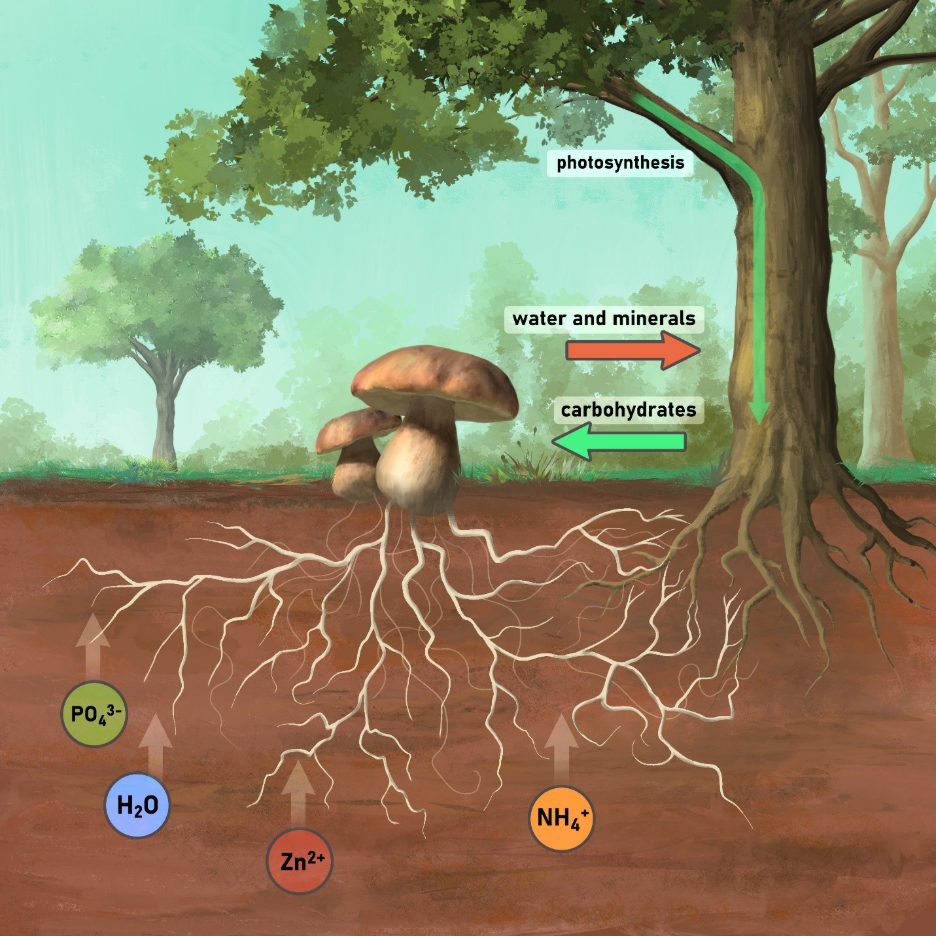
Mycorrhizae are soil fungi that form symbiotic relationships with tree roots, meaning both the tree and the fungus benefit from the partnership, and neither partner is harmed. The term “mycorrhiza” comes from two Greek words: “myco,” meaning fungus, and “rhiza,” meaning root.
These organisms likely evolved more than 400 million years ago, and they have played an important role in plant and tree health ever since.1 Mycorrhizae help trees by colonizing their absorbing roots: depending on the type - endomycorrhiza or ectomycorrhiza 2 - they either penetrate root cells or form a netlike covering around the roots. 3, 4
From there, these fungal benefactors extend long threadlike strands, called fungal hyphae, which form a vast absorptive network that reaches far beyond the tree’s original root zone. They help the tree by gathering water and essential soil nutrients that roots may have difficulty reaching on their own. 5
In exchange for these vital resources, the fungi receive carbon-rich sugars and carbohydrates produced by the tree through photosynthesis - something the fungi cannot make themselves. Trees provide a considerable share of carbon to their mycological allies - often sharing up to 20% of their carbon resources 6 - and, without that supply, mycorrhizal fungi essentially would be unable to survive.
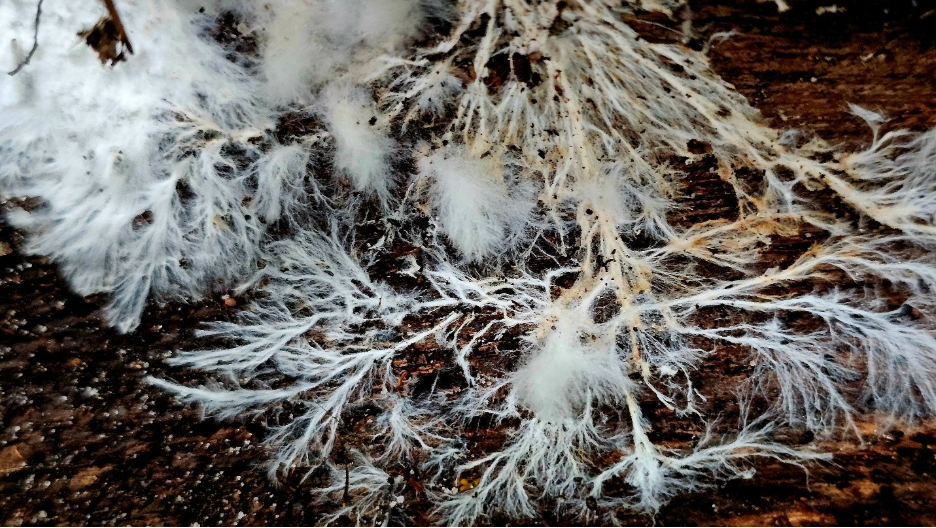
Photo: Getty Images
Fine networks of fungal hyphae breaking down organic debris
Mycorrhizal Superpowers
Mycorrhizae do far more than extend the reach of a tree’s root system. These fungal partners are a tree’s mycelial superpower, helping trees access unavailable nutrients, store water, build healthier soil, share resources, and even defend against pest and disease threats. Together, these benefits make mycorrhizae one of the most potent hidden forces supporting tree health and resilience.
Here are some of the amazing ways that mycorrhizae support tree health:
- Unlocking nutrients which trees cannot reach alone: Mycorrhizae can break down organic matter and rock, releasing important nutrients that would otherwise remain unavailable to tree roots. 7Their ultra-fine hyphal threads also reach into tiny soil pores that absorbing roots cannot enter, giving trees access to additional water and nutrients that support health and stress tolerance. 8
- Storing water for future access and drought resilience: In addition to delivering water and nutrients, mycorrhizal hyphae can store moisture and other valuable resources and make them available when conditions become stressful. Especially during periods of prolonged drought, limited rainfall, or extreme heat, this added access can help trees better manage water and heat stress.9, 10
- Building soil structure: Mycorrhizal fungi also play an important role in building healthier soil by producing glomalin, a sticky substance that helps bind individual mineral particles into soil aggregates. These aggregates create pore spaces that improve airflow, water movement, and root growth, providing tree roots a healthier growing environment below ground. 11
- Creating a living network beneath the soil: Mycorrhizal hyphae can link the root systems of neighboring trees, forming an underground communication and exchange network. Through these connections, trees may exchange resources and transmit chemical signals that help neighboring trees respond to threats such as impending pests and diseases. 12, 13
- Protecting roots from soil pathogens: As they colonize a tree’s root system, mycorrhizae suppress diseases by out-competing harmful microbes for valuable plant and soil resources. They also produce compounds that inhibit pathogen growth, creating both a physical and chemical barrier against certain soil-borne diseases. 14
- Promoting greater stress resistance: Mycorrhizal partnerships can help trees withstand a wide range of environmental stressors, including drought, salinity, pollutants, and disease pressures. 15 By improving access to water and nutrients and supporting stronger root function, these fungal associations can make trees more resilient when growing conditions become difficult. 16
Diversity Promotes Soil Synergy and Better Tree Health
Nearly 90% of all plants have mycorrhizal associations, 17 and current research estimates that over 50,000 fungal species form these relationships. 18 Some mycorrhizae partner with specific plants and trees, while others are generalists that can associate with multiple species.
Trees and plants can also host more than one species of mycorrhizae. Recent studies suggest that many trees typically support a large diversity of fungal partners. Oregon white oak (Quercus garryana), for example, is known to host more than 40 species of mycorrhizal fungi. 19
Research also shows that multiple species and types of mycorrhizae may work synergistically with one another, as well as with other free-living soil organisms. Together, these interactions can enhance the entire soil-biological community - increasing microbial vitality and significantly multiplying the health benefits delivered to trees. 20
How to Encourage Mycorrhizae to Grow
There are a number of steps you can take to help create ideal soil conditions where mycorrhizae are more likely to establish, grow, and support healthier trees.
- Protect soil structure: Avoid compaction and unnecessary disturbance. Like tree roots, mycorrhizae need oxygen and space to grow, and they are sensitive to disrupted soil conditions.
- Add organic matter: Mulch, compost, and naturally decomposing organic material help feed the soil food web and create a more supportive environment for beneficial fungi.
- Limit synthetic fertilizer use: Excessive fertilizer applications can disrupt natural soil biology and reduce the tree’s reliance on fungal partnerships for nutrient access.21
- Protect soils from fungicides: Fungicides can be harmful to mycorrhizal fungi and other beneficial fungi in soil. Avoid making soil applications with these products and be careful to protect soil when using these products on or around other parts of the tree.22
- Use inoculants thoughtfully: Mycorrhizal inoculants may be helpful in some situations, but many formulations contain only a limited number of fungal species which may or may not form associations with a treated tree. Mycorrhizae are often already present in the root ball and in some cases may exist in the surrounding native soil where a tree is planted. 23 By providing favorable soil conditions, you can give these pre-existing fungi a better chance to grow and flourish.
Monster Tree Service’s Soil Health Program Builds Soil Biology Partnerships that Grow Healthy Trees
Monster Tree Service’s comprehensive Soil Health Program is designed to create the ideal conditions that mycorrhizae and other beneficial soil organisms need to thrive. Using nature-based products, our holistic approach provides organic matter and microbial food sources that may be lacking in soil - rebuilding an environment that enhances a balanced and diverse biological soil community. With seasonal applications made throughout the year, this program continually strengthens the underground partnerships that trees need to flourish and better withstand drought, heat, and other environmental stresses.
Put the power of soil biology to work for your trees and landscape. Contact Monster Tree Service today to schedule summer Soil Health Program treatments!