
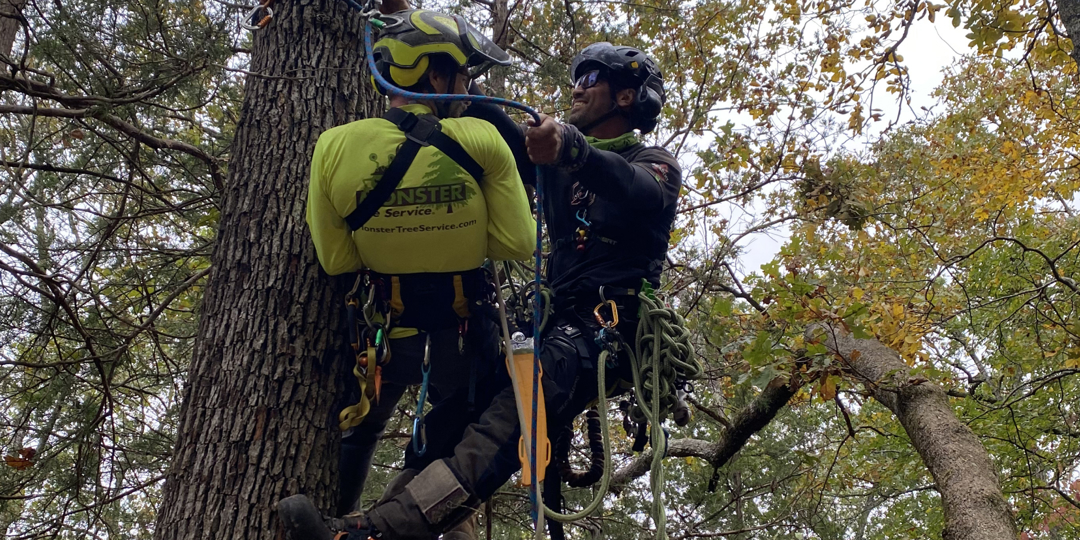
A mature tree is one of the few features on a property that becomes more valuable with age. It provides shade during Missouri's hot summers, supports local wildlife, improves curb appeal, and can even increase the value of your home. Yet every year, many trees in Springfield are removed that could have been saved. We have found that removal is often the result of years of neglected maintenance rather than a single catastrophic event.
If you're wondering how to protect a tree from being cut down in Springfield, MO, the answer is simple: invest in preventive care long before the tree becomes hazardous. Most healthy trees do not suddenly become dangerous overnight. They give warning signs, and with the right professional care, many can remain safe and beautiful for decades.
Understand Why Trees Are Removed
One of the biggest misconceptions homeowners have is that trees are only removed when they die. While dead trees certainly need attention, they're only part of the story. Many removals happen because a tree has developed structural weaknesses, suffered storm damage, or declined slowly due to years of stress. In many cases, the tree itself isn't the problem. The real issue is that early symptoms were overlooked until preservation was no longer practical.
Throughout Springfield, I regularly inspect mature oaks, maples, sycamores, and other native trees that homeowners assume must come down. After a thorough assessment, it's often possible to recommend corrective pruning, structural support, soil improvement, or disease treatment instead of removal. That's why an experienced arborist should always evaluate a tree before anyone decides it's beyond saving.
Schedule Routine Tree Inspections
The best way to protect a tree is to identify small problems before they become expensive ones. A professional tree inspection is much more than a quick look at the canopy. An arborist evaluates the entire tree, including the root flare, trunk, branch attachments, canopy density, soil conditions, and signs of decay or insect activity.
I've often discovered hidden defects that weren't visible to the homeowner but could be corrected before they threatened the tree's stability. Likewise, I've seen trees that appeared unhealthy from a distance but were perfectly capable of recovering with proper care. Routine inspections allow problems to be addressed early, giving your tree the best chance of thriving for many more years.
Protect the Root System
If there's one piece of advice I could give every property owner, it's this: protect your tree's roots.
Most people focus on the trunk because it's easy to see, but the health of a tree begins below the ground. The root system anchors the tree, absorbs water and nutrients, and supplies everything the canopy needs to survive. When roots are damaged, the decline often happens slowly, making it difficult to connect the problem to something that occurred years earlier.
Construction projects, driveway expansions, utility trenching, and even repeated parking beneath a tree can severely compact the soil or damage critical roots. Unfortunately, once significant roots are lost, there is often little that can be done to fully restore the tree's health.
Whenever construction is planned near mature trees, protecting the critical root zone should be a priority. Installing temporary fencing, keeping heavy equipment away from the root area, and consulting an arborist before excavation can prevent irreversible damage.
Prune the Right Way, Not the Easy Way
Proper pruning is one of the most effective ways to extend a tree's life, but improper pruning can shorten it dramatically.
One practice I still encounter far too often is tree topping. Homeowners sometimes believe removing the top of a tree makes it safer or easier to manage. In reality, topping creates weakly attached shoots, exposes large wounds to decay, and permanently alters the tree's natural structure. Over time, topped trees often become more hazardous than they were before.
Professional pruning focuses on removing dead, diseased, or poorly attached branches while preserving the tree's natural form. The goal isn't to remove as much as possible. It's to improve the tree's health, balance, and structural integrity while reducing the likelihood of future failures.
Don't Ignore Small Warning Signs
Trees rarely fail without first showing evidence that something is wrong. Unfortunately, many homeowners dismiss these signs because the tree still appears green and healthy from a distance.
Dead limbs, cracks in the trunk, peeling bark, mushrooms growing near the base, cavities, thinning foliage, or a tree that suddenly begins leaning more than it has in the past all deserve professional attention. None of these symptoms automatically mean the tree must be removed, but they should never be ignored.
I've seen countless situations where addressing a minor issue early prevented a major structural failure years later. Waiting until branches begin falling or the tree starts damaging nearby structures often leaves far fewer options for preservation.
Manage Diseases and Insects Before They Spread
Springfield's climate provides excellent growing conditions for trees, but it also creates an environment where insects and diseases can thrive. Fungal infections, borers, scale insects, and other pests rarely improve on their own. Left untreated, they gradually weaken the tree's natural defenses and increase the likelihood of structural failure.
Early diagnosis is one of the greatest advantages of regular tree inspections. Many diseases can be managed successfully when identified in their initial stages. Once decay has spread throughout the trunk or root system, however, removal may become the safest recommendation.
Protect Trees During Home Improvements
Many of the healthiest trees I have removed weren't damaged by storms. They were damaged during landscaping or construction projects.
Adding patios, sidewalks, retaining walls, or home additions often involves excavation close to valuable trees. Cutting major roots or piling construction materials beneath the canopy can create long-term stress that isn't immediately obvious. A tree may survive for several years before its decline becomes noticeable, making homeowners believe the two events are unrelated.
Planning construction around mature trees is almost always less expensive than losing a tree that took decades to grow. An arborist can identify safe work zones and recommend protective measures before construction begins.
Know Springfield's Tree Requirements
If your tree is located near a public street, sidewalk, or right-of-way, keeping it safe isn't just good practice; it may also be your responsibility. Property owners in Springfield are expected to maintain trees so they don't create hazards for pedestrians, vehicles, or neighboring properties. Trees that become structurally unsound or obstruct public areas may require corrective action to protect public safety.
For larger development projects, the City of Springfield also encourages preserving existing trees whenever practical. Protecting mature trees during construction not only benefits the environment but also helps maintain the character and beauty of established neighborhoods.
Always Get a Second Opinion Before Removing a Mature Tree
One of the most important lessons I've learned after three decades in arboriculture is that tree removal should never be the first solution unless the tree presents an immediate and unavoidable hazard.
Every year, homeowners call us after another company has recommended removing a tree. In many of those cases, we find that the tree can be preserved through structural pruning, cabling and bracing, soil improvement, disease management, or ongoing monitoring. While not every tree can be saved, many deserve a second evaluation before such a permanent decision is made.
Once a mature tree is removed, it cannot be replaced within your lifetime. Taking the time to seek an experienced arborist's opinion can save both the tree and thousands of dollars in future landscaping costs.
Trust Monster Tree Service of Springfield and Branson to Help Protect Your Trees
At Monster Tree Service of Springfield and Branson, preserving healthy trees is always our priority. Our certified arborists carefully evaluate each tree's health, structure, and long-term potential before recommending removal. If your tree can be safely preserved, we'll explain the best course of action and provide the professional care it needs to continue thriving for years to come.
Whether you're concerned about storm damage, disease, construction near mature trees, or simply want the peace of mind that comes from a professional inspection, our experienced team is here to help homeowners throughout Springfield and the surrounding Ozarks.