
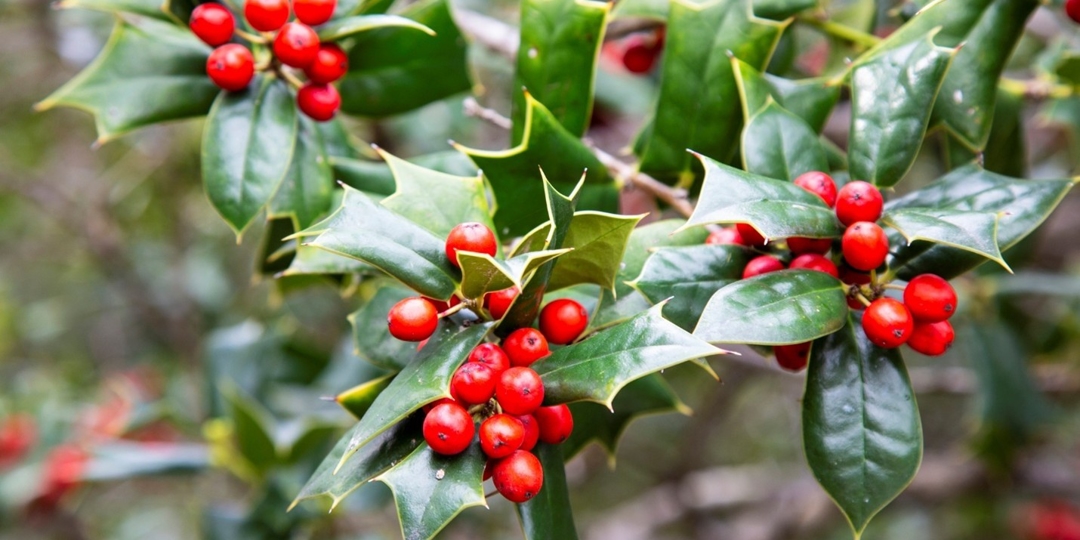
“The holly and the ivy,
now both are full well grown,
Of all the trees that are in the wood,
the holly bears the crown.”
Among winter ornamentals, hollies have long been one of the most cherished trees that are associated with the holiday season. Beloved for their vibrant red berries and glossy green foliage, hollies are one of the most popular and traditional choices to make a festive and elegant addition to both indoor and outdoor decorations. Whether used in wreaths, centerpieces, or garlands, hollies evoke the spirit of winter celebrations and provide a natural touch to holiday décor. Hollies can also make a fantastic addition to your yard, inviting bright festive color to what might otherwise be a dull winter landscape. In this article we will explore some of the cultural history of this beloved ornamental and offer some helpful tips to make your hollies look especially beautiful on your property during the winter season and throughout the entire year!
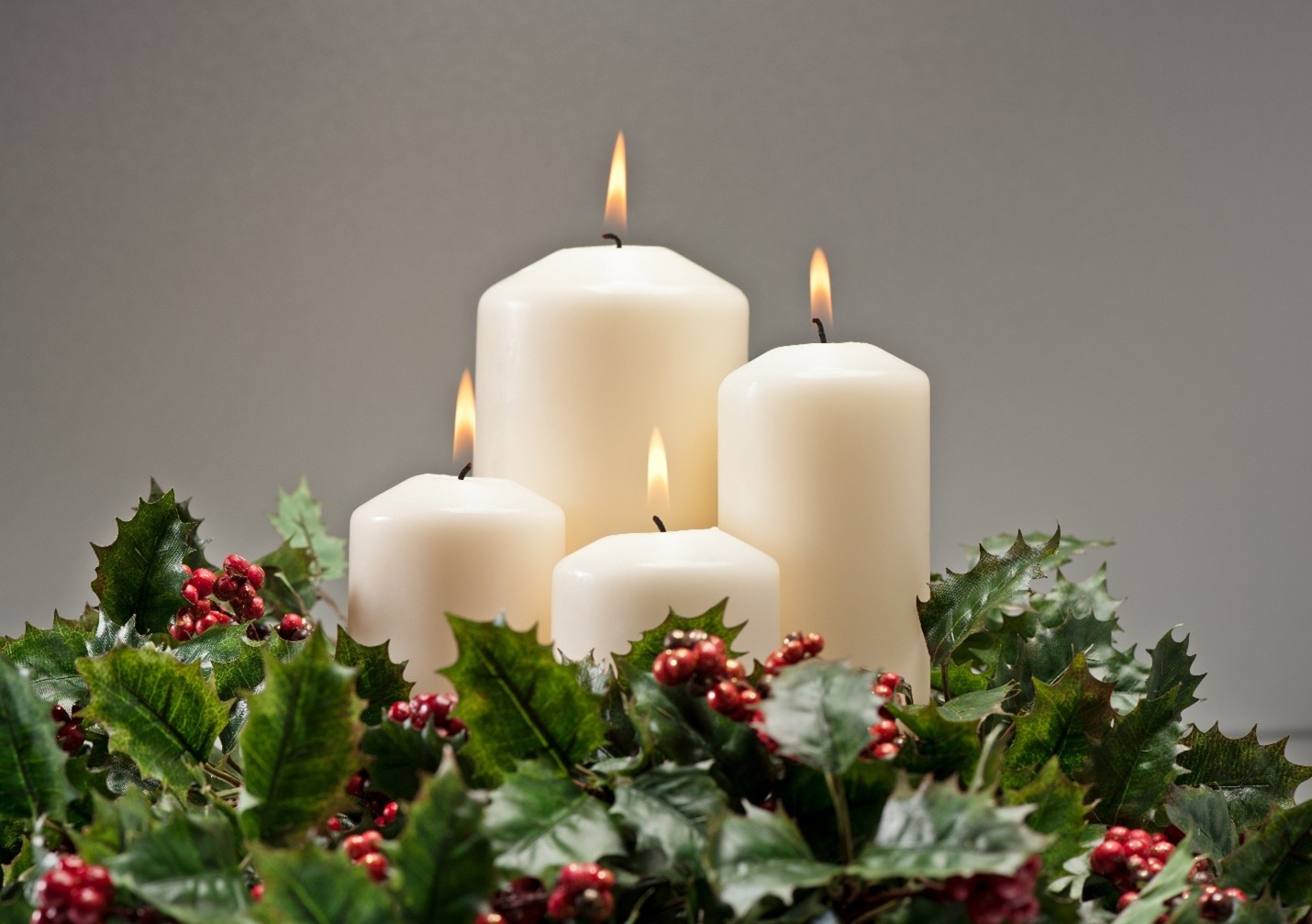
Hollies’ significance to Christmas and winter celebrations
Throughout history, hollies have represented hope, renewal, and protection during the colder months. Their bright red berries and resilient evergreen leaves stand out against the winter landscape, symbolizing warmth and celebration in the midst of the year’s darkest days. Many cultures incorporate holly into their festive traditions, believing it brings good luck and wards off negative spirits during the holiday season. 1
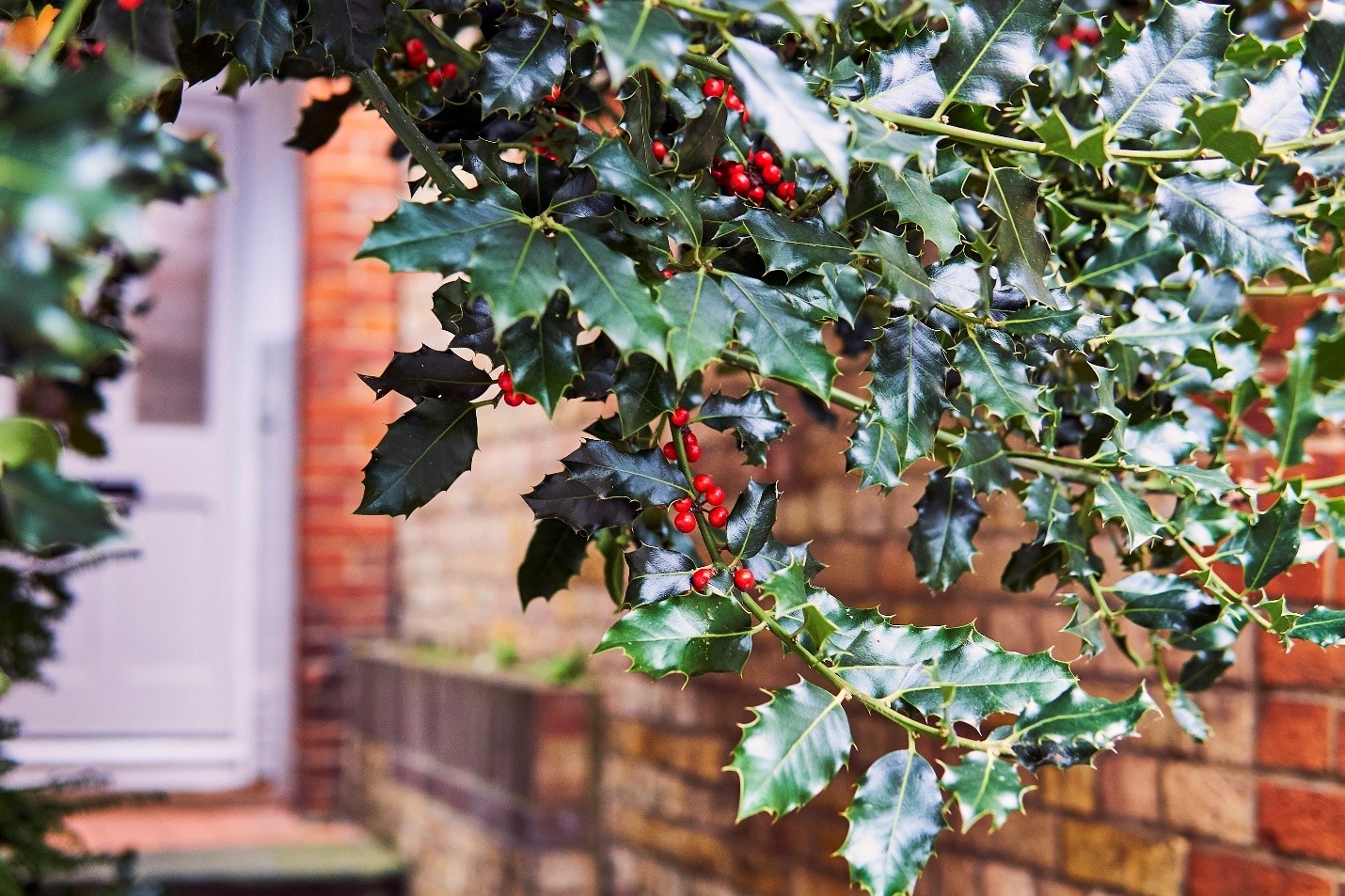
Hollies are versatile plants with many landscape uses
Besides offering year-round color, hollies are versatile plants with a wide range of uses in the landscape, bringing vibrancy and festive beauty to the property around your home. There are many species and cultivars of holly available in the trade. Larger species are great choices for specimens, accents, specimens and screens. Spiny species can serve as security barriers and look great while protecting your property. Many smaller species and cultivars are also available and work well as hedges and borders, accents, and even ground cover. Native holly species are especially ideal for native gardens, where birds can feast on the fruit and find safe haven in the dense shelter of holly branches.2
Holly fun facts
- The scientific name of all hollies is Ilex which is a taxonomic genus that covers over 400 species of flowering plants found all over the world in temperate and tropical regions.3 Holly trees and shrubs range from evergreen to deciduous with a tremendous range of sizes varying from 18 inches to over 50 feet.4
- Most holly species and cultivars are dioecious, meaning that plants are either male or female. Female trees and shrubs produce berries, but in order to bear fruit they require a male partner.5 Some male cultivars have names that indicate their sex, such as Ilex verticillata ‘Southern Gentleman’.6 Usually on a property only one male plant is required for pollination and berry production – however the bloom time must coincide with the female cultivar that is chosen. Pairing recommendations are often listed on the plant’s tag or label, or you may want to ask your nursery associate for information.
- Many holly species in cultivation and available through the nursery trade are native to the US – and are valuable food and habitat resources for pollinators and wildlife. Holly flowers are usually pollinated by bees, and some varieties make excellent honey plants!7 Popular native hollies include Ilex opaca (American holly), Ilex verticillata (winterberry holly) , Ilex decidua (possumhaw holly) and Ilex glabra (inkberry holly).8
- Another native holly species, Yaupon holly, contains caffeine – and its leaves (NOT the berries) can be harvested and steeped to produce a stimulating hot or cold beverage.9Yaupon holly unfortunately was given the undeserving scientific name “Ilex vomitoria” because of its historic association with a Native American purging ritual – however, the leaves of the plant have no poisonous or emetic properties. This species is also a beautiful holly that is frequently used in landscapes throughout the Southeastern United States. It is especially hardy in tough coastal conditions, tolerating wind and hot climates better than most evergreen hollies.10
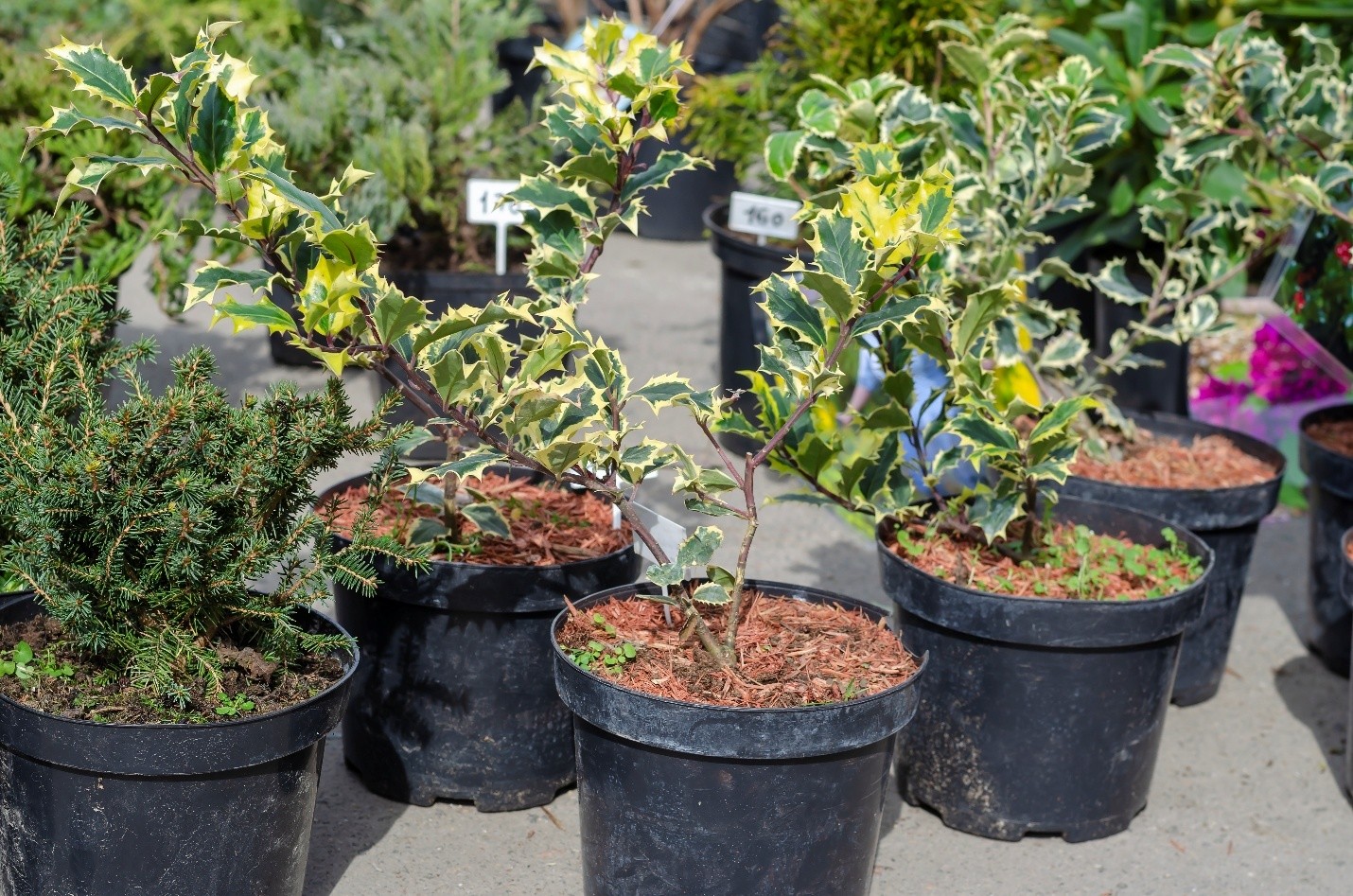
Keeping your hollies healthy and happy: Planting and growing recommendations
Growing hollies can be a rewarding experience, adding structure, color and visual interest to your landscape. Here are some tips to help you successfully grow hollies:
- Planting: Hollies are easy to grow and are tolerant to a wide range of hardiness zones (ranging from USDA Zones 5a to 9b). Hollies can withstand drought, shade, air pollution, poor soils, and are they easy to transplant. When planting, choose a site with full sun to partial shade that has well drained soil. Hollies tend to prefer acidic soils, but they can grow in a variety of soil types from sand to heavy clay.11
- Watering: Keep soils evenly moist but not soggy or waterlogged. Overwatering can invite root rot and other disease issues.12
- Soil care: Hollies do tend to prefer a loamy soil that is high in organic matter.13 High nitrogen fertilizers can interfere with berry production and should be avoided.14 Enrolling in Monster’s Soil Health Program can ensure that your hollies are getting the soil nutrients and organic matter that they need to grow and thrive.
- Mulching: A 2-3 inch layer of mulch will help deter weeds and keep the soil moist and cool, while contributing valuable organic matter.15 Combining mulching with Monster’s Soil Health Program will have especially positive effects, resulting in more vibrant, healthier plants.
- Pruning: While best pruning practices are recommended, hollies are resilient growers and generally can tolerate hard pruning and conform to desired shapes and heights.16 For expert pruning to keep your hollies in top shape, you can always rely on the professional pruning services from Monster Tree Service!
Common pest and disease issues with hollies
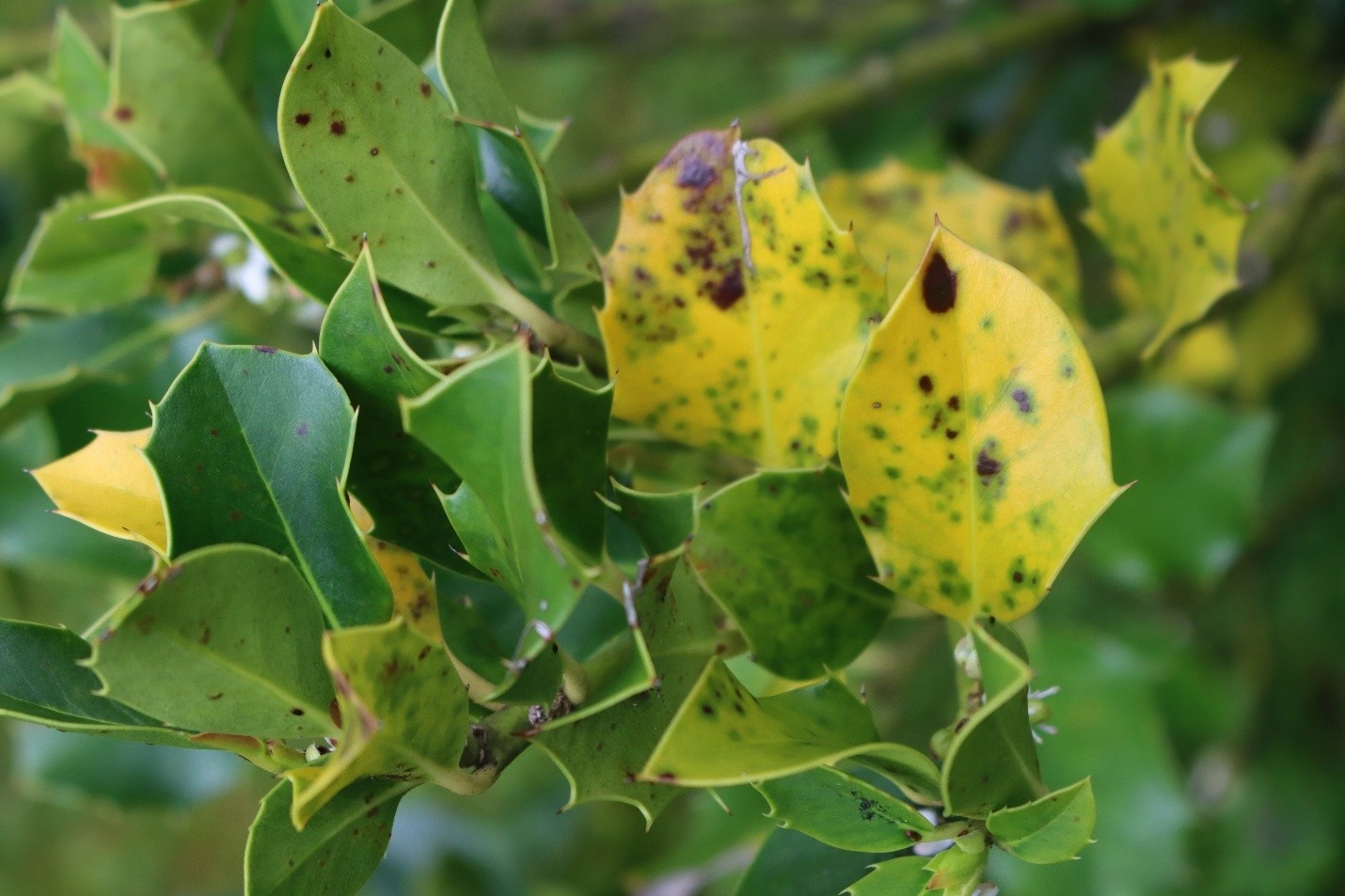
Despite their hardiness, hollies can occasionally face challenges from pests such as scale insects, spider mites, leaf miners, and nematodes, which may cause leaf discoloration or premature leaf drop. Fungal diseases like tar spot and Phytophthora root rot can also affect hollies, especially in conditions with poor drainage and heavy rainfall, which may lead to unsightly spots or wilting foliage.17 Alkaline soils will cause the leaves to yellow.18
Consult with your local Extension to learn more about holly diseases and health issues in your area. For accurate diagnosis and effective solutions, talk to one of Monster’s arborists and plant health care experts. Our expert shrub and tree care services will keep your hollies healthy, beautiful, and festive for the holidays and all year round!