
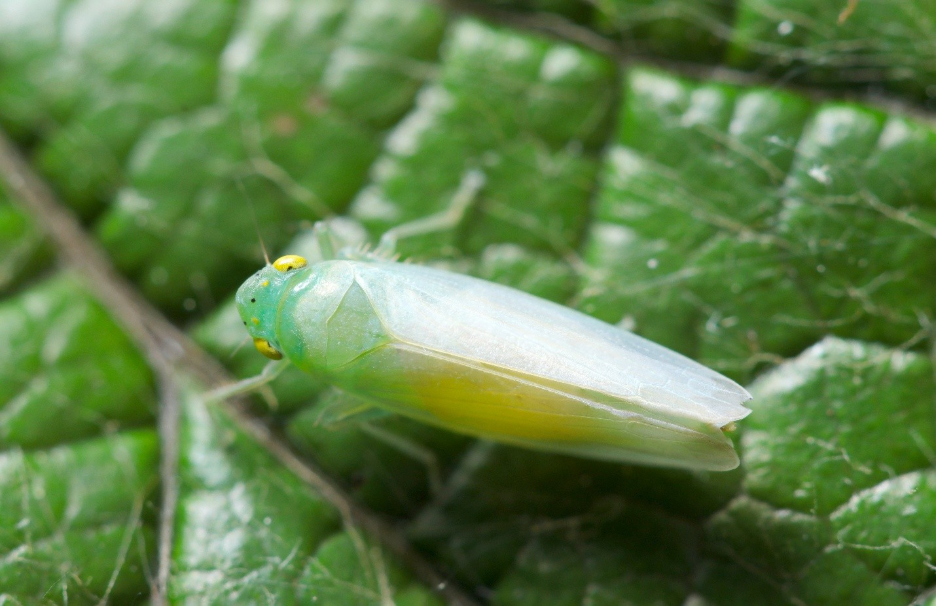
Leafhoppers can be troublesome pests in summer landscapes. These fast-moving insects can quickly damage tree and shrub foliage by feeding on plant sap, and, in some cases, these pests may spread serious tree diseases. Their small size and adept ability to jump and fly can make them difficult to identify and even harder to control.
This article explains how to recognize leafhoppers, understand the damage they cause, and decide when management may be needed. You’ll also find practical tips for monitoring populations, supporting tree health, and reducing the risk of extensive landscape damage.
General Description and Identification
Leafhoppers are small, sap-sucking insects in the cicada family, Cicadellidae. They are remarkably diverse: more than 2,500 species occur worldwide, exceeding the combined number of bird, mammal, reptile, and amphibian species. 1These insects are especially active in the summer months, with some species migrating northward during warmer humid weather. 2
Life Cycle
Leafhoppers develop through three life stages: egg, nymph, and adult. Active insects first emerge in late winter or early spring, hatching from eggs that overwinter in tree bark, plant tissue, or nearby plant debris on the ground. 3Many species produce multiple generations each year, allowing populations to build quickly during the growing season.
Adult Appearance
Adult leafhoppers are typically slender and bullet-shaped, with wings folded over their back like a tent when the insect is at rest. 4Most measure about 1/8 to 1/4 inch long, although larger species (called sharpshooters) may reach about 1/2 inch. 5
Colors may vary widely by species. On many insects, leafhopper wings are clear or translucent. Some leafhoppers blend into surrounding foliage with pale green, yellow, gray, or brown tones; while others are brightly colored and marked with distinctive patterns. 6
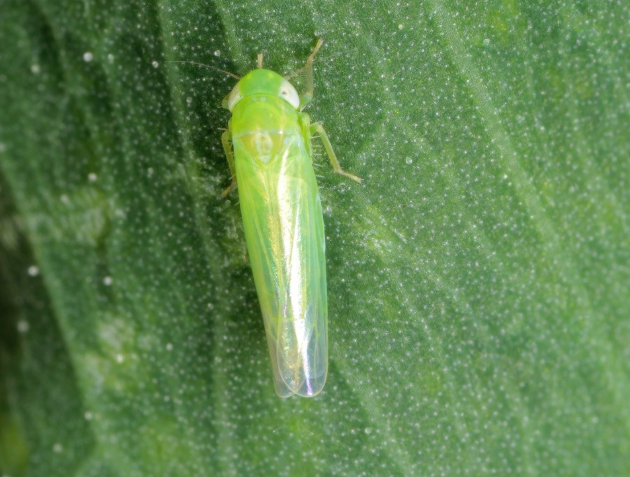
A green adult potato leafhopper with transparent wings
Photo: Getty Images
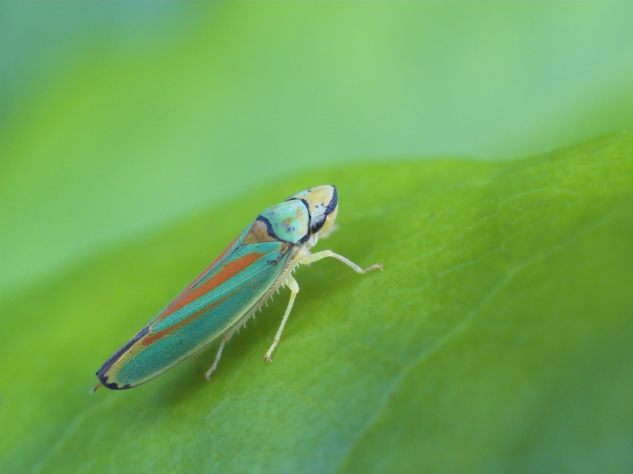
An adult rhododendron leafhopper with brightly striped markings
Photo: Getty Images
Nymph Identification and Development
Immature leafhoppers, called nymphs, resemble adults but are smaller, softer-bodied, and wingless. In addition to lacking wings, leafhopper nymphs may differ in color from adults. They are usually found on the undersides of leaves - where the humidity is higher and they are more protected from predators. 7 Without wings, leafhopper nymphs are less agile than adults; but they still begin feeding and causing damage as soon as they hatch. 8
Know Where to Look - and What to Look For
When scouting for leafhoppers, check the undersides of leaves first, especially on plants showing stippling, yellowing, curling, or other feeding symptoms. Nymphs are often easier to spot than adults because they are wingless, less mobile, and more likely to remain on the plant during inspection.
As nymphs develop, they pass through a series of growth stages called instars. As they grow through each instar, they molt and shed their outer covering, which retains the original shape of their body and legs; and their pale cast skins often remain attached to leaf undersides. These cast skins can be important clues – or signs - that leafhoppers are present, even when the active insects themselves are difficult to spot. 9
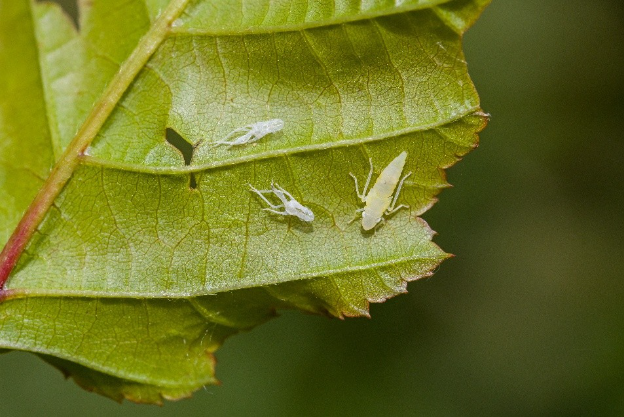
Wingless leafhopper nymph and shed skins from molted instars
Photo: Getty Images
Movement Clues for Identification
Leafhoppers are often easiest to recognize by the way they move. When disturbed, adults can suddenly spring from the leaf surface and fly a short distance, creating a quick “pop” of movement that is hard to miss. They also crawl in an unusual crab-like motion - moving forward, backward, or sideways - which helps distinguish them from many other insects. 10
Because adults move so quickly, they can be difficult to confirm during inspection and hard to target during treatment. Nymphs are often easier to find because they cannot fly and tend to stay on leaf undersides longer.
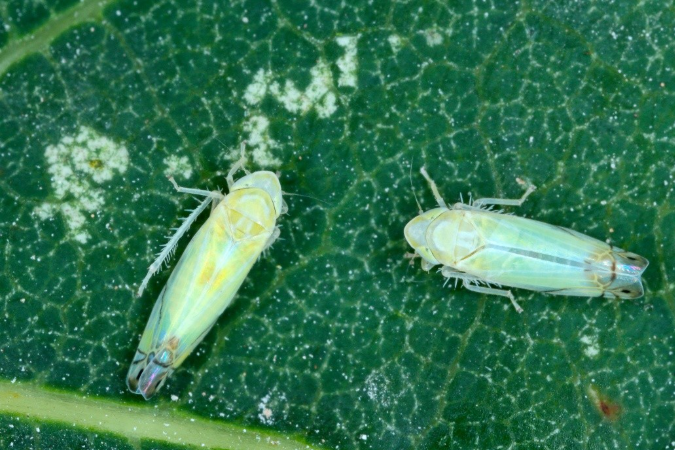
Adult leafhopper insects and leaf feeding damage
Photo: Getty Images
Plant Symptoms and Damage
Both adult and immature leafhoppers damage plants by piercing leaf tissue and removing plant fluids and nutrients. Symptoms often appear as tiny white, yellow, or pale speckles on the leaf surface, a pattern known as stippling. 11
As leafhoppers feed, they may also inject toxins into the plant. In severe cases, this can lead to “hopperburn,” a condition in which leaf tips and margins curl, yellow, become brittle, and take on a scorched appearance. 12
Look-Alike Pest Damage
Leafhopper injury can be mistaken for damage caused by other sap-feeding pests, including lace bugs, plant bugs, spider mites, and thrips. Because several pests can cause stippling or discoloration, confirming the insect’s identity is essential before choosing a control strategy. 13
In addition to examining feeding damage, look for the pale cast skins on leaf undersides – as they are reliable signs of leafhopper activity - while other pests often leave different physical clues, such as fine webbing from spider mites or dark frass specks from azalea lace bugs.
Correct identification matters, as accurate confirmation of both the pest and its presence help ensure the selected control strategy is effective, targeted, and environmentally sound.
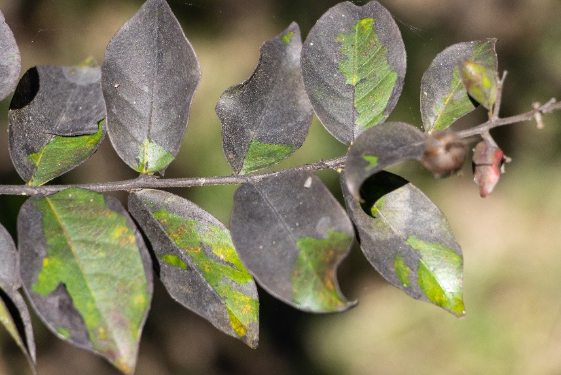
Sooty mold can blacken leaves and stress plants
Photo: Getty Images
Sooty Mold Can Be a Nuisance – and a Plant Health Issue
As they feed on plant fluids, leafhoppers excrete honeydew, a sticky waste product that can support the growth of sooty mold, a black fungus that grows off the excess sugars that are passed by the insects. When insect populations are high, honeydew and sooty mold may accumulate on objects beneath infested plants, including patios, vehicles, outdoor furniture, walkways, and other landscape features.
As sooty mold builds up on trees and shrubs, it can darken leaves and stems, making affected plants look blackened and dirty. Heavy coverage can also interfere with photosynthesis by blocking light from reaching the leaf surface – causing trees and other plants additional stress. 14
Disease Transmission
In some cases, leafhoppers do far more damage than feeding on tree sap. Several leafhopper species can act as vectors for serious plant pathogens, including diseases such as bacterial leaf scorch and Pierce’s disease, which are significant health threats for many trees and agricultural plants. 15, 16
As leafhoppers move from plant to plant, they may pick up bacteria, phytoplasmas, or viruses from an infected host. During later feeding, they can introduce those pathogens into healthy plants and trees, spreading disease through the landscape and onto nearby properties. 17
Leaf Hopper Management Options
Because of their quick motion, leafhoppers can be difficult to control. The best management starts with careful observation and a balanced approach that protects plant health, supports beneficial insects, and reserves stronger treatments for situations where plant health risk or damage justifies intervention. Steps to take include:
- Support overall tree health: Healthy, well-maintained trees are generally better able to tolerate pest pressure and recover from stress. Good cultural care - such as proper watering, soil care, mulching, and good pruning practices - can help reduce the likelihood that leafhopper feeding will lead to significant decline.
- Clean up weeds and plant debris from your yard: Leaf hoppers frequently lay eggs in weeds, fallen leaves and other plant debris.
- Protect natural enemies with organic maintenance: Leafhoppers have many natural enemies, including lady beetles, lacewings, damsel bugs, spiders, birds, diseases, and parasites. Especially in low-risk situations, organic foliar maintenance is a good way to help protect beneficial predators while working to reduce leafhopper pressure in the landscape.18
- Carefully monitor before treating: Inspect susceptible plants regularly during the growing season, checking leaf undersides for active nymphs, adults, cast skins, and fresh feeding symptoms. Because leafhopper damage can resemble other pest problems, regular monitoring helps confirm whether appropriate treatment is needed and supports a more targeted response.
Factors to Consider for Treatments
Stronger intervention with residual insecticides or systemic treatments may be appropriate when leafhopper activity is likely to cause significant damage, spread disease, or create a persistent nuisance.
Situations that may warrant treatment include:
- Disease risk is present: Leafhoppers can be more serious when a plant disease is active in the landscape because some species can move pathogens from infected plants to healthy ones. Depending on the circumstance, treating or removing diseased trees and plant material may be necessary to help reduce further spread.
- Sooty mold becomes a nuisance or plant health issue: High leafhopper populations can produce enough honeydew to create sooty mold issues on plant foliage, walkways, vehicles, patios, and other nearby surfaces.
- Hopperburn is severe: Treatment may be needed when feeding causes widespread plant injury causing leaf curling, yellowing, brittleness, or scorched-looking margins that threaten plant health. 19
When treatment is needed, it is important to choose the most targeted option available and base decisions on pest presence, developmental stage, population level, plant condition, and disease risk.
Need Help Managing Leafhoppers?
Monster Tree Service’s expert arborists and plant health care professionals can help you identify leafhopper activity, assess the level of risk to your trees and landscape, and choose an appropriate management plan. Our holistic approach includes a comprehensive range of treatment options that focus on supporting overall tree and plant health, while effectively managing insect population pressures and minimizing harm to the environment.
Don’t let leafhoppers or other damaging pests put your trees and valuable plants at risk. Call us today for a free consultation and schedule Tree and Shrub Health Care services to help keep pests under control while supporting a healthy, resilient, and beautiful landscape.