
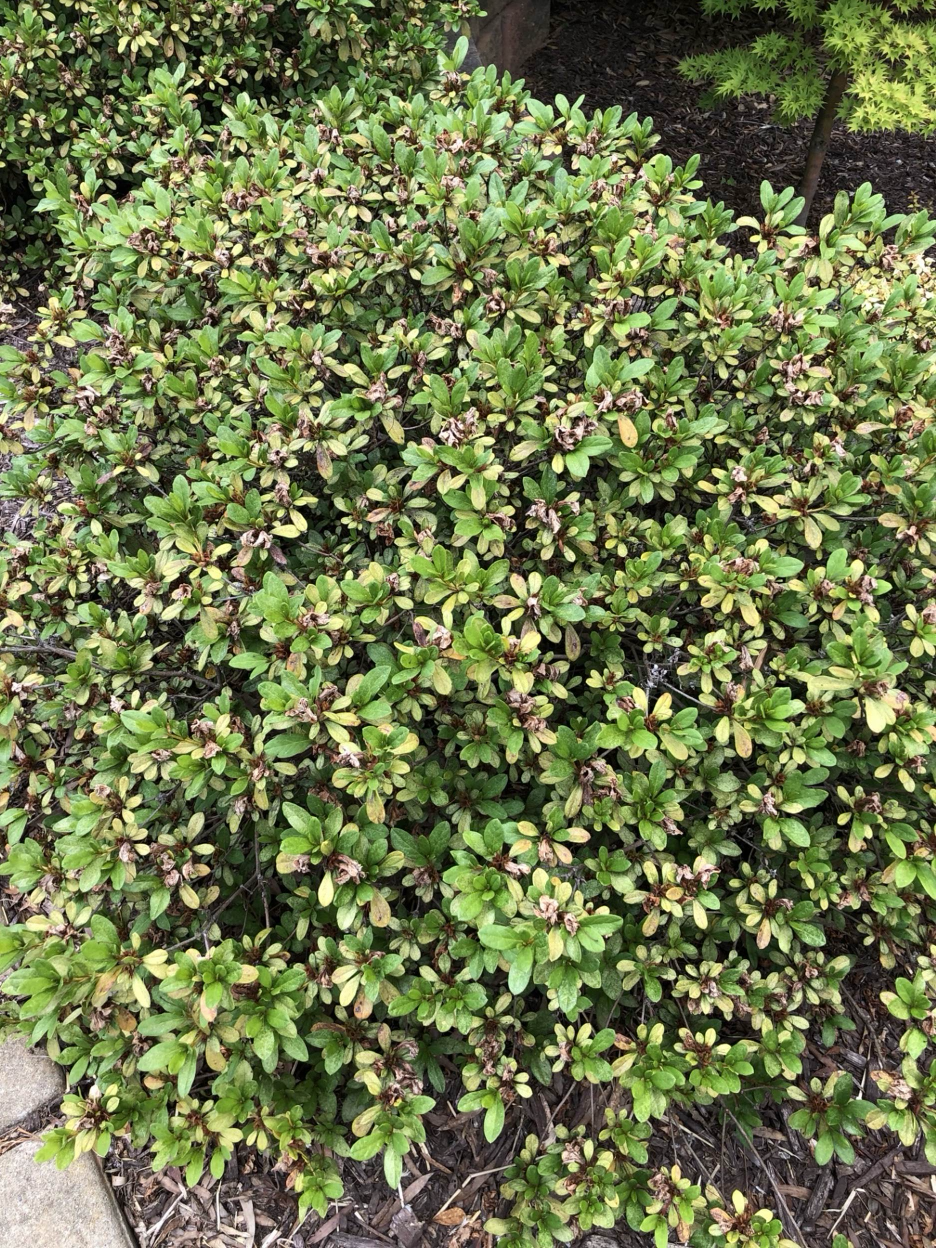
Azaleas are among the most popular landscape plants in the United States, valued for their vivid blooms, graceful evergreen foliage, and relatively easy care. Their masses of colorful flowers can magically transform any spring garden and landscape; and their versatility makes them suitable for use as hedges, borders, and even container plantings, making them a favorite choice for both urban and rural properties.
Although azaleas are generally low-maintenance, yellowing leaves and dieback can signal stress and threats to their health. The cause may be a pest, disease, soil issue, moisture problem, or another environmental factor. By looking closely at the symptoms and identifying signs and patterns, you can choose the right treatment and help restore your azaleas to stay green, healthy, and vibrantly attractive.
Recognize Symptoms and Signs
The first step in treating any plant health problem is to study its symptoms carefully. Patterns of yellowing, spotting, wilting, leaf drop, or discoloration can reveal how the plant is responding to stress and causal agents.
Also look for signs of the cause itself. Inspecting leaves, stems, and roots for the presence of pests, egg masses, fungal growth, leaf holes, webbing, frass, or residues can help confirm what is affecting the plant.
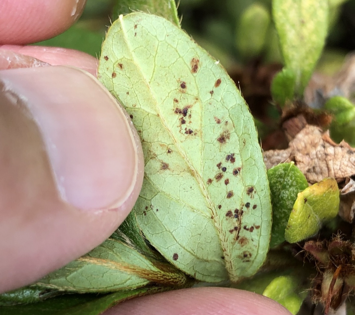
Photo: Nancy Gaspari
Dark specks on the underside of this leaf indicate azalea lace bug.
Common Azalea Pests
Several insects can damage azaleas and cause leaves to appear yellow, pale, speckled, or bronzed. Common pests include1:
- Azalea lace bugs, which often feed on the undersides of leaves, causing pale stippling and leaving behind dark specks.
- Spider mites, which may cause fine speckling, dull foliage, and webbing during hot, dry conditions.
- Weevils, which may attack roots or notch leaf edges or create ragged, chewed foliage as adults feed.
- Scale insects, which can cause yellowing, weak growth, sticky residue, and sooty mold when infestations build.
- Azalea caterpillars, which feed in groups and may quickly strip leaves from sections of the shrub.
- Flea beetles, which chew small holes in leaves and can leave foliage looking tattered during heavier feeding.
Pest problems require targeted treatment, so accurate identification is essential. Choosing the right product or care strategy depends on knowing which pest is present and how severe the damage has become.
Common Diseases Affecting Azaleas
Yellowing and discoloration can also be linked to disease, especially when foliage shows spotting, browning, wilting, or dieback. Fungal issues are more likely when plants are stressed by poor drainage, excess moisture, limited airflow, or compacted soil. You can refer to online State Extension articles to identify azalea diseases that are local to your area.
Environmental and Soil-Related Stressors
Not all azalea problems are caused by pests or diseases. Many cases of yellowing are connected to abiotic factors, meaning nonliving environmental conditions that interfere with plant health.
Azaleas grow best when their planting site closely matches their natural woodland habitat. They prefer acidic, organic-rich soil, consistent moisture, good drainage, and protection from harsh afternoon sun. When growing conditions are inadequate, the plant may struggle and be more prone to secondary pest and disease issues.
Common azalea stressors include:
- High soil pH, which can limit nutrient availability and lead to yellowing chlorosis.
- Heat and drought, which stress roots and foliage.
- Too much direct sunlight, especially in hot afternoon conditions.
- Poorly drained soil, which can suffocate roots and contribute to root disease.
- Soil compaction, which restricts water, air, and root growth.
- Nutrient deficiencies, particularly when soil conditions prevent proper uptake.
Things You Can Do to Help
Once you have narrowed down the likely cause of damage, focus on improving the conditions around the plant. These steps can reduce stress, support healthier roots, and make azaleas more resilient against pests and disease.
- Test your soil and adjust soil pH: Azaleas need acidic soil to access key nutrients. A soil test can confirm whether pH is too high and help guide safe, appropriate amendments.
- Provide more shade when needed: If plants are exposed to intense afternoon sun, consider relocating them or adding nearby shade from companion plantings. Morning sun and filtered light are often better for azaleas.
- Regulate moisture: Keep soil evenly moist, especially during dry periods, but avoid overwatering. Check moisture below the surface so the root zone is neither dry nor saturated.
- Improve soil drainage: If water collects around the plant or the soil stays soggy, improve drainage with organic matter, raised planting areas, or professional site correction. Healthy roots need both moisture and oxygen.
- Apply organic mulch: Use a 2-3 inch layer of wood chips, pine bark, pine straw, shredded leaves, or similar organic mulch to conserve moisture and protect shallow roots. Keep mulch pulled back from the stems to prevent rot.
Need help? Monster Tree Service’s Tree and Shrub Health Care Offers Effective Long-term Solutions.
If your azaleas are struggling and you are unsure where to start, the expert arborists and plant health care professionals at Monster Tree Service can help evaluate the symptoms, identify likely causes, and recommend a plant health care plan that is custom designed to improve azalea health.
Our comprehensive Tree and Shrub Health Care Program addresses both immediate pest and disease issues and the underlying environmental conditions that may be putting your azaleas at risk. Rather than offering a temporary cosmetic fix, our holistic approach focuses on improving soil health, supporting root function, and caring for the entire plant - so it can regain health and maintain long-term vitality.
Protect your valuable azalea plants and preserve the outdoor beauty of your yard. Call your local Monster Tree Service for a professional consultation and schedule Tree and Shrub Health Care services today!