
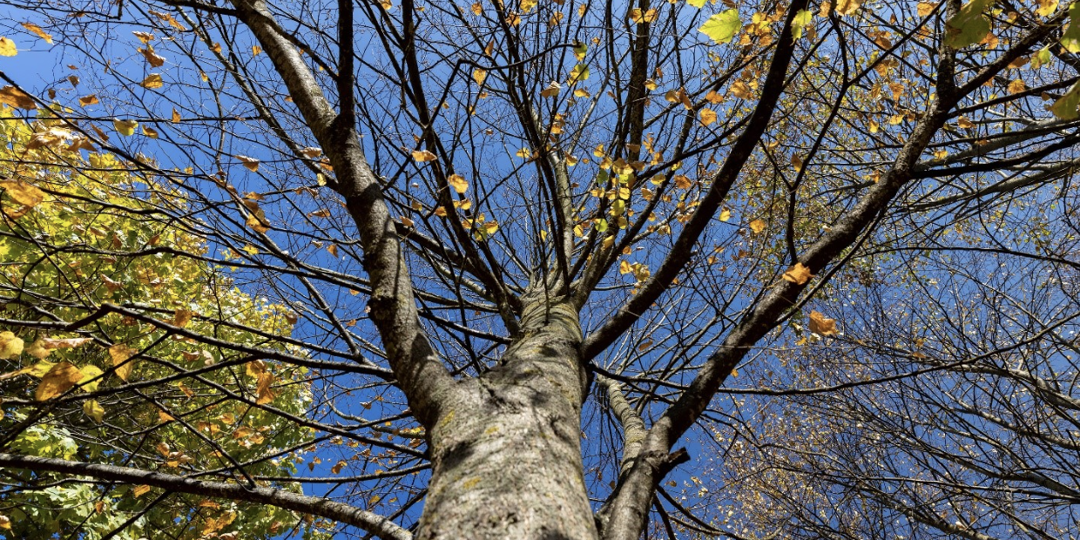
As we head into November, the fall season is in full swing, and winter is fast approaching. With cooler weather and falling leaves, this time of year presents an important opportunity to evaluate your trees before winter weather arrives - as a tree’s bare branches make it easier to identify structural concerns that could be vulnerable to strong winds and the heavy weight of snow and ice brought by winter storms.
Scheduling a fall tree inspection now gives you time to address problems – and gain peace of mind - before the arrival of winter storms can severely damage your trees and valuable property. In this article we will cover some key reasons to make yearly fall inspections an essential part of your seasonal tree care plan.
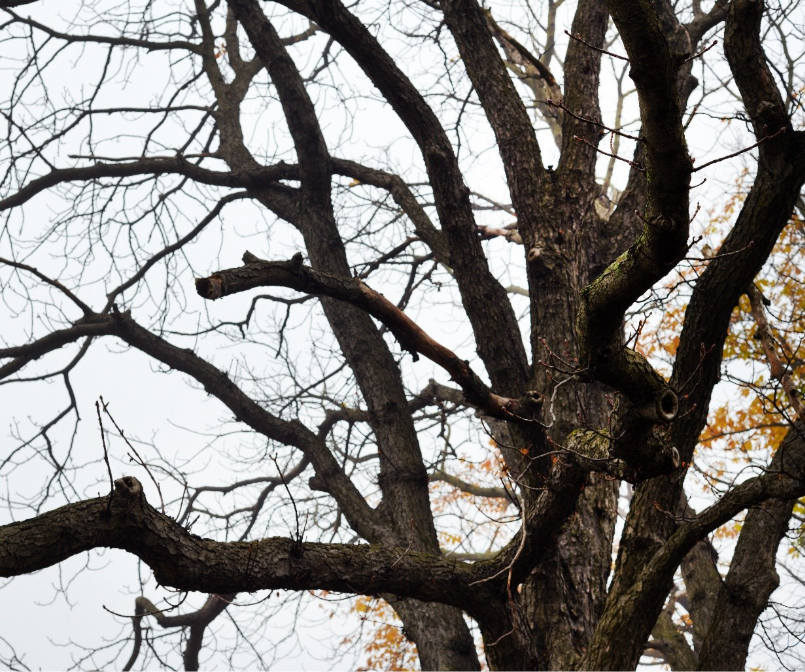
Bare tree branches in late fall make deadwood and hazardous limbs easier to find. Photo: Getty Images
Identify Structural and Safety Issues
Many trees are dormant and leafless in fall, and their bare branches make it easier to assess structural issues which may put the safety of your home and property at risk. Fall inspections can reveal problems that may have been hidden during the summer, such as deadwood, structurally weak and broken branches, and areas of disease and decay. Identifying and correcting these problems early can remove potentially dangerous risk factors that could result in significant damage in the winter season – as well as in future years.
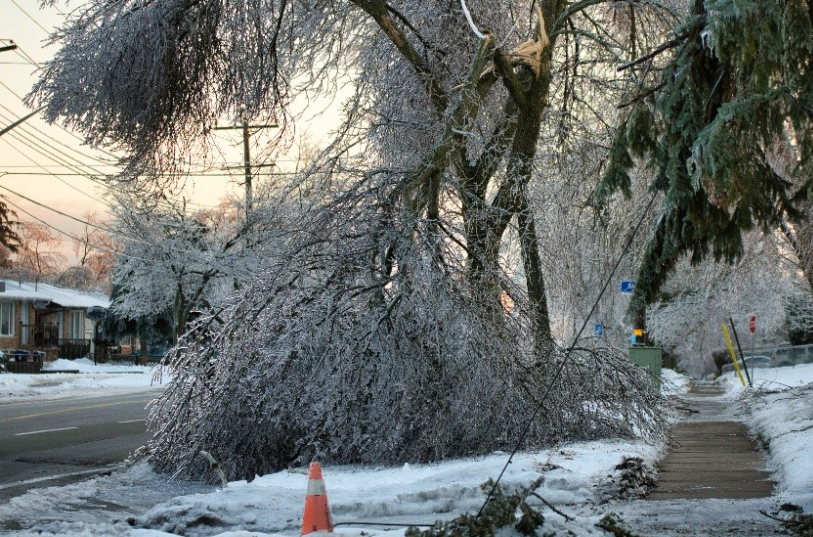
Fall inspections can identify structural issues and help prevent winter storm damage to trees, property, and utilities. Photo: Getty Images
Heading Off Winter Storm Damage
Winter is a time when heavy snow, ice and strong winds during winter storms can significantly damage trees – potentially endangering homes, vehicles, and utility services. Inspecting trees now allows time for scheduling corrective pruning and removals that lessen failure risks of weak branches, deadwood, and hazardous trees.
Addressing these issues now before winter storms arrive is an important and responsible step you can take to prevent major property damage and ward off costly expenses.
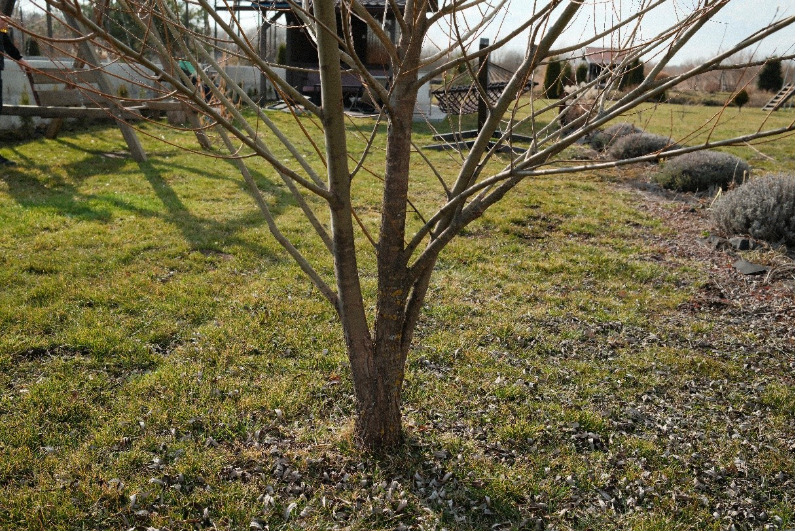
While still young, the multiple trunk stems of this tree can be pruned away more easily to improve its overall structure and future stability. Photo: Getty Images
Improve the Structure of Young Trees to Avoid Future Problems
November is an ideal time to inspect young trees and schedule corrective pruning before minor defects become larger, more costly problems. At this early stage, structural issues are generally easier to correct because a younger tree's main stems and branches are still relatively small and light. Addressing crowded or crossing branches, tight branch unions, multiple stems, and other structural defects now can promote stronger growth and reduce the risk of serious hazards in later years as trees mature.
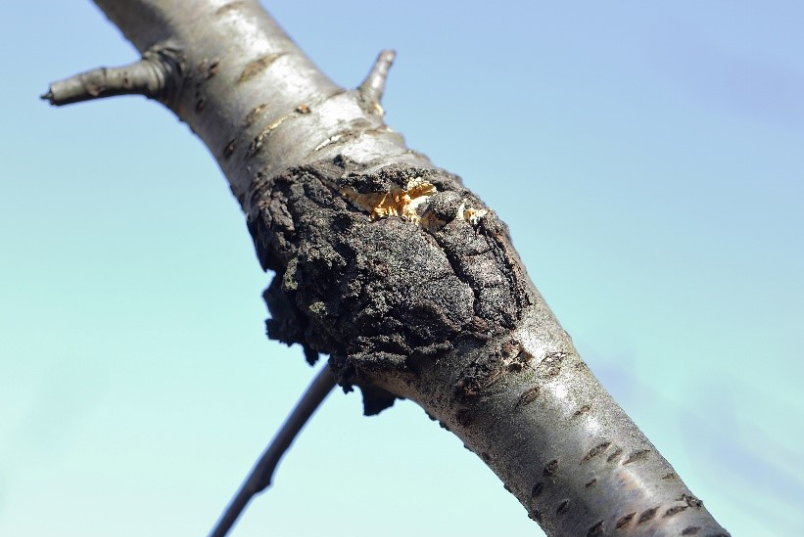
When caught early, many harmful and disfiguring tree diseases can be pruned out to help control future spread. Photo: Getty Images
Identifying Pest and Disease Issues
Fall inspections also allow for better visibility of signs of pests and diseases, which can be more effectively managed if they are caught early before they spread. Signs and symptoms of many disease and pest issues – such as egg masses, galls, cankers and other abnormal swellings and discolorations – become much easier to see in the late fall when branches are bare. In many cases, these conditions are more treatable when addressed early, as proactive care can stop minor issues from becoming overwhelming future problems.
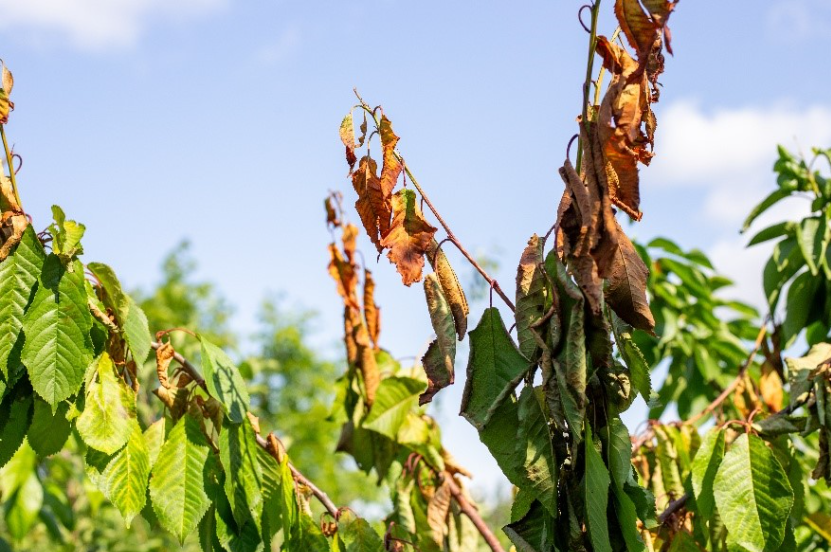
Many chronic tree diseases can be slowed or prevented by timing corrective pruning during the fall and winter. Photo: Getty Images
Disease Management and Preventative Care
For disease management and preventative care, November provides an optimal window that can be critical to protect vulnerable trees or curb disease spread in trees with early stages of disease. Scheduling inspections for both structural and corrective pruning in late fall takes advantage of a period when many disease vectors are inactive. This timing can help protect trees from devastating fungal and bacterial diseases – such as oak wilt and fireblight - that enter through fresh pruning wounds during the warmer spring and summer seasons. 1 , 2
Call Today to Schedule a Fall Tree Inspection
Regular fall inspections are one of the most important steps you can take to prepare for winter and plan for the upcoming year, ensuring your trees are healthy and structurally sound. Monster’s expert arborists look at trees from the ground up - assessing roots and soil, canopy structure, and overall health - to perform a comprehensive inspection that contributes to the long-term health of trees and promotes stronger growth, stability, and safety.
Keep your trees and property safe this winter. Call and schedule a professional fall tree inspection for advice and service you can trust from an expert arborist at Monster Tree Service!